Community
 Print
Print



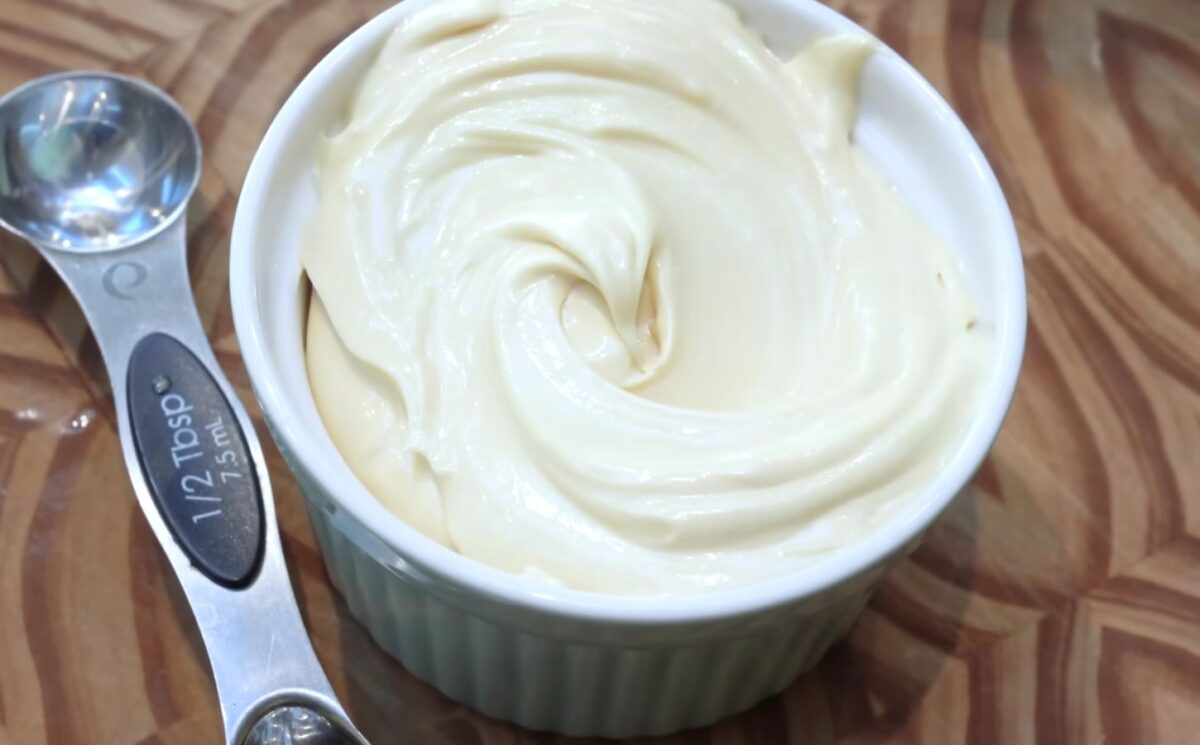
For many home cooks, whether they’re dairy-free, plant-curious, or simply love experimenting in the kitchen, butter is one of the hardest staples to rethink. That’s exactly why Miyoko Schinner’s recent video is a must-watch. Known for changing how people think about dairy-free alternatives, Schinner shows that homemade vegan butter can be rich, tangy, and versatile enough for everything from toast to baking.
In her YouTube video, Schinner, who is widely regarded as a pioneer of modern vegan cheese and butter, walks viewers through the process to recreate her iconic cultured spread at home, using just three core ingredients. Schinner founded Miyoko’s Creamery and helped push plant-based dairy into the mainstream long before it became trendy.
Read more: Homemade Dairy-Free Herb Butter
Here’s how to make this healthy, additive-free homemade vegan butter in your own kitchen, using the techniques that Schinner is famous for.
This butter only needs three ingredients
“Over time, I’ve been evolving the recipe,” she explains, noting that earlier versions appeared in her cookbook The Homemade Vegan Pantry before being refined further in The Vegan Creamery. The current method strips everything back.
The butter relies on two oils and one plant milk. “It’s made with only three ingredients plus salt,” Schinner says, adding that the salt is optional. There are no emulsifiers involved. “No emulsifier, no lecithin of any kind,” she explains.
One oil needs to be saturated, which is why she uses refined coconut oil. The second oil must be liquid and neutral in flavor, such as avocado or sunflower oil. And the third ingredient is plant milk. While soy, oat, or cashew milk can work, Schinner is clear that almond milk is not ideal. “Almond milk doesn’t really work so well. It’s too watery,” she says.
The role of cultured cashew milk
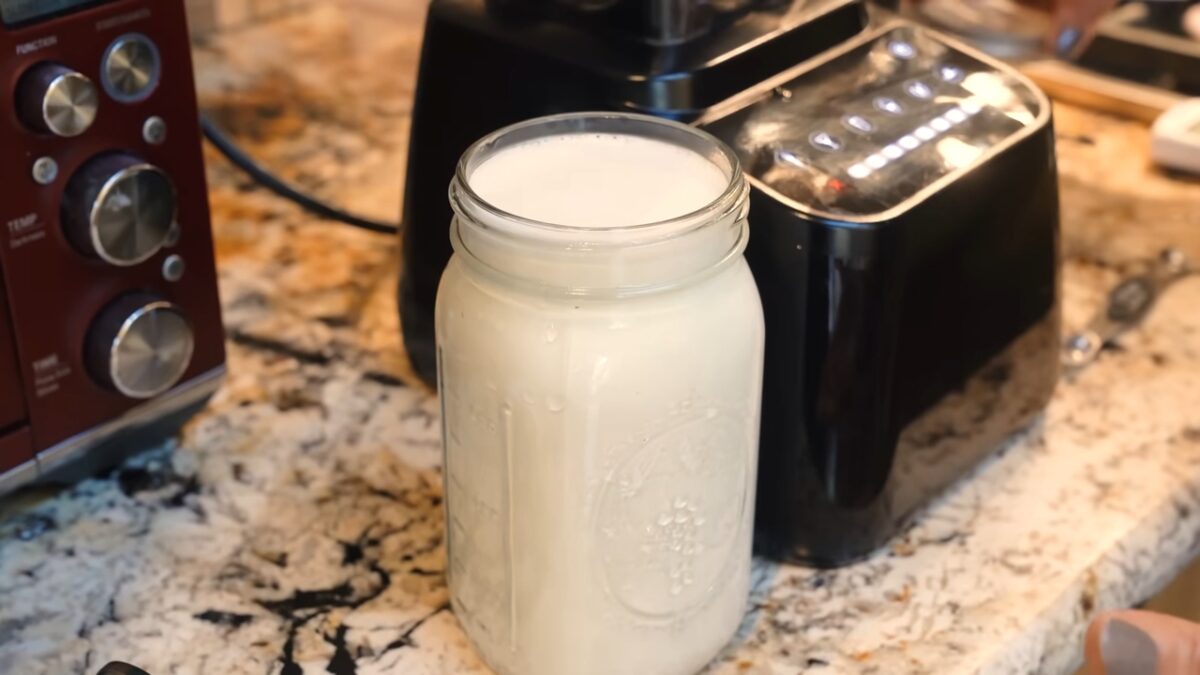
According to Schinner, the difference between an average vegan butter and a standout one is culturing. “The real key to making a superior butter, adding that cultured flavor, is to culture your milk,” she says.
She focuses on cashew milk because of both flavor and functionality. Cashews add body, subtle sweetness, and enough starch to help the butter brown during cooking. “Cashews add this really wonderful flavor and the right amount of starch,” she explains.
Before culturing, cleanliness matters. Schinner stresses sanitizing all equipment to avoid unwanted bacteria. “When you culture something, it means you’re adding a lactic acid bacteria to it,” she says. Everything from the blender jar to the fermentation container is sterilized with boiling water.
The cashew milk itself is simple, but handled carefully. Raw cashews are blended with water, and if their pasteurization status is unclear, they are briefly boiled first. “Boil them just for a minute or two just to kill whatever surface bacteria might be on those cashews,” Schinner advises.
Once blended, she adds a vegan culture. “I’m using a vegan culture from the cheesemaker.com,” she says, explaining that mesophilic cultures help create buttery notes. The milk is then kept warm for 12 to 20 hours to lower the pH. “It will get tangier in flavor,” she says, adding that tasting works just as well as using a pH meter. “You can just taste it and say that tastes like buttermilk.”
Temperature is everything when making the butter
Once the cultured milk is ready, the butter comes together quickly, as long as temperatures are right. Schinner melts refined coconut oil gently, warning against overheating. “You don’t want it hot,” she says. “The temperature of the oils and the milk is very, very important.”
Liquid oil, by contrast, should be cold. “The key is to have it chilled,” she explains, noting that this makes the butter come together more easily. First, the oils are blended together, with salt added if desired, before the cultured milk is slowly incorporated.
If the temperatures are off, the butter may not emulsify right away. Schinner shows this happening in real time. “This is one of those butters that didn’t turn into a spreadable butter immediately,” she says, explaining that chilling and re-blending can fix it.
When everything aligns, the transformation is obvious. “It looks like mayonnaise,” she says, describing the moment the butter churns properly.
Color, texture, and how it performs in the kitchen
For those who want a classic buttery color, Schinner suggests annatto. “If you want sort of that yellow buttery color, you can use annatto seeds,” she says, cautioning against overdoing it.
Once set, the butter firms up in the refrigerator but stays spreadable. Schinner emphasizes that it’s not just for toast. “This butter works in every culinary application,” she says. “You can bake with it…cook with it. You can brown it.”
That browning ability comes from the cultured plant milk itself. “It has the sugars in the soy milk or the cashew milk for it to actually brown,” she explains.
For more of Schinner’s healthy plant-based recipes, check out her YouTube channel.
Read more: Swapping Butter For Plant-Based Oil Reduces Risk Of Premature Death, Says New Study