Community
 Print
Print



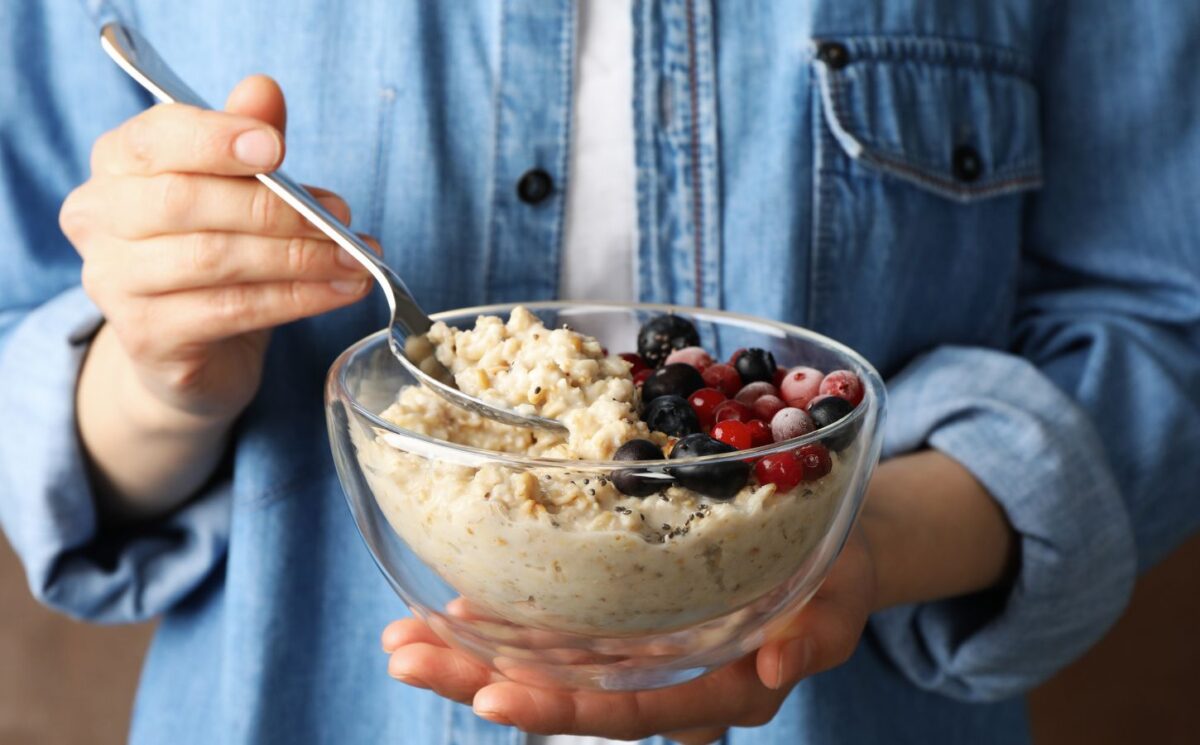
The health benefits of oatmeal that generations of breakfast eaters have taken for granted are facing an unlikely enemy: a corner of social media convinced that porridge is not merely overrated, but actively dangerous. Depending on which influencer appears in your feed, oats may supposedly spike blood sugar more than white sugar, strip minerals from the body, damage the gut, promote weight gain, or qualify as “the biggest scam on Earth.”
Read more: What Happens to Your Body When You Eat Oatmeal Every Day
Mic the Vegan, who regularly examines nutrition claims through a plant-based and scientific lens on YouTube, takes on what he jokingly calls “the great oatmeal war” in his video “The War on Oatmeal vs The Science on Oatmeal.” Rather than relying on social media soundbites, he turns to randomized controlled trials, reviews, and meta-analyses to examine whether oats deserve their increasingly controversial reputation.
His conclusion is considerably less alarming than the social media discourse. Oatmeal appears to be every bit as nutritious as people thought it was.
Oats, cholesterol and heart health
For more videos about vegan health, science, and nutrition, check out Mic the Vegan’s YouTube channel.
One of oats’ best-known benefits comes from their beta-glucan fiber. This soluble fiber has been linked to lower LDL cholesterol. Critics featured in Mic’s video argue that the effect is too small to matter, but Mic says the research paints a different picture.
“It’s really a 5 to 10 lowering for LDL,” Mic says while discussing randomized controlled trials. He also highlights a crossover randomized controlled trial using 3 grams of beta-glucan.
That study “found a 15% lowering in LDL after 8 weeks,” he says. Mic then places those findings within broader research on whole grains.
“High whole grain consumers typically have 20 to 30% lower cardiovascular disease risk than low consumers,” he says. He also stresses how simple the intervention is.
“But this is just adding one food, one whole grain,” he says. Oatmeal alone cannot prevent cardiovascular disease, but it can support a healthful diet.
What oatmeal really does to blood sugar
Another frequent claim is that oatmeal causes dramatic blood sugar spikes, particularly among people with insulin resistance or type 2 diabetes. Mic argues that this is difficult to reconcile with research that has actually tested oats in people living with the condition.
He first cites a small pilot study in which average blood glucose fell from 158 to 118, while participants reduced their insulin dosage by 42%. He then turns to a meta-analysis of more than a dozen randomized controlled trials examining the metabolic effects of oats in people with type 2 diabetes.
Mic says the analysis found that regular oat intake “significantly improves short-term aftermeal blood sugar as well as hemoglobin A1C long-term blood sugar metrics,” while also lowering LDL cholesterol.
He does, however, make an important distinction about the type of oatmeal being discussed. “I’m not talking about sugar-laden processed instant oats,” he says. “I’m talking about at least rolled oats, and then if you’re more serious, steel cut oats or even whole oat groats.”
Mic adds that rolled oats are commonly used in the studies he discusses, making them a practical option for people who do not want to graduate to what he jokingly describes as the more serious world of steel-cut oats and groats.
What about so-called anti-nutrients?
Some of the loudest criticism of oats centers on phytates, lectins, and saponins, compounds frequently labeled “anti-nutrients” or plant defense chemicals. One claim featured in the video states that oat fiber “sucks minerals out of your body,” while another suggests lectins in oatmeal can damage the gut lining.
Mic argues that these warnings leave out important context. He notes that phytates have also been studied for potential anticancer properties and highlights research suggesting they can be broken down extensively in the digestive systems of people accustomed to plant foods, forming other compounds in the process.
Lectins are another target, but Mic says oats contain comparatively low amounts. “Cooking just eradicates those lectins to the point where they’re not a concern anymore,” he says, adding that the already low levels in oats make the issue particularly unconvincing for cooked oatmeal.
He makes a similar distinction with saponins. According to Mic, oat saponins are present in small quantities and differ from more membrane-disruptive forms found elsewhere in the plant kingdom. Rather than showing that oats harm the gut, he says direct research points in the opposite direction.
A review encompassing 84 studies, including 23 randomized controlled trials, found that oat consumption increased populations of beneficial bacteria including Lactobacillus and Bifidobacterium. Mic also notes increased concentrations of short-chain fatty acids and improved gut permeability, making gut health one of the more notable health benefits of oatmeal discussed in the video.
Gluten and glyphosate concerns
Mic also tackles claims that oats should be avoided because their protein avenin can behave like gluten. While avenin has some similarities to gluten proteins, he says this does not mean most people react to it.
Quoting guidance from Celiac Canada, Mic notes that “the consumption of oats uncontaminated with gluten from wheat, rye, or barley, is safe for the vast majority of patients with celiac disease.” He also discusses research suggesting only a small proportion of people with celiac disease react to oats themselves, rather than to contamination with gluten-containing grains.
Glyphosate residues provide another line of attack. Mic points to Environmental Working Group testing and says levels detected in oat products have declined since 2018. For people who remain concerned, he notes that organic oats tested by the group showed either “not detectable or virtually not detectable levels” on the parts-per-billion scale.
Oatmeal and body weight
Perhaps the most colorful anti-oat claim featured in the video comes from someone who says the purpose of oats is to make horses “fat for the winter.” Mic responds with a meta-analysis of 74 randomized controlled trials.
Compared with control groups not receiving oats, participants consuming oats showed improvements in total cholesterol, LDL cholesterol, and glucose. They also experienced improvements in body mass index, body weight and waist circumference.
“So, it’s not just lowering cholesterol, but it is lowering your belt size,” Mic says.
He also rejects the claim that oats have no meaningful protein. Referring to his own breakfast, he says, “My one cup of dried oats that I start my day with makes a solid dent in my essential amino acids for the day.”
Read more: Is Oat Milk Bad For You? The Truth Behind The Claims
Humans have been eating grains for millennia
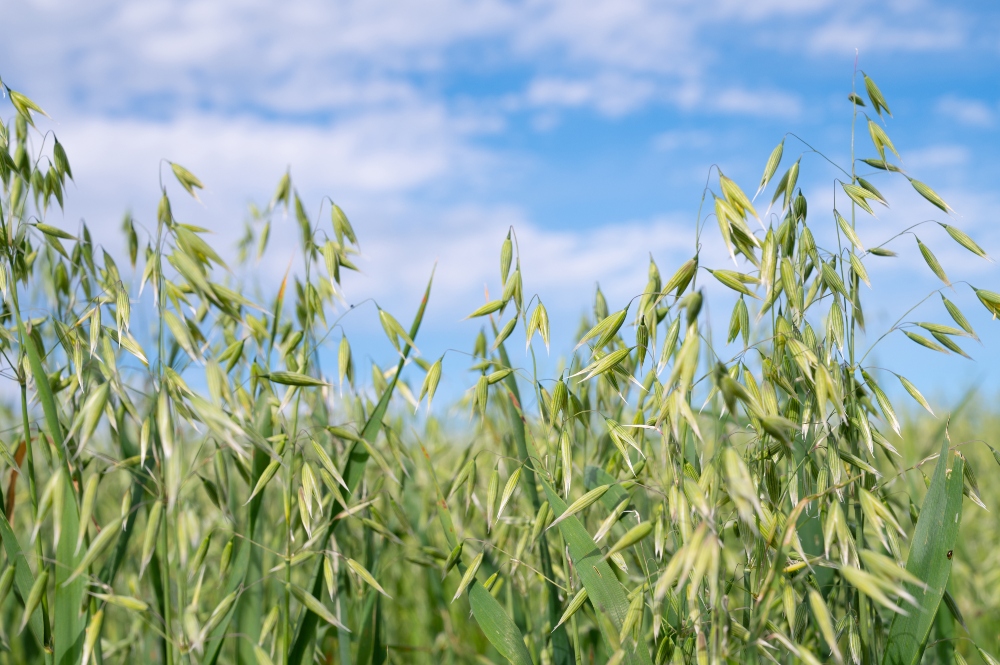
The claim that oats are somehow inappropriate for humans because our ancestors did not eat them also features in the video. Mic points to archaeological evidence suggesting people were processing wild grains into flour around 30,000 years ago, well before agriculture became established.
He says those grains appear to have been heated and ground, potentially for use in porridge or flatbreads. He also points to evidence for much older starch adaptations in humans and their ancestors, arguing that consuming starchy plant foods and phytate-containing grains is hardly a modern experiment.
Mic ultimately sees the backlash against oatmeal as part of a broader online tendency to portray plants and carbohydrates as inherently harmful. Yet the research he presents repeatedly associates oats with favorable outcomes for LDL cholesterol, blood glucose, gut bacteria, body weight, and waist circumference.
No single breakfast guarantees good health, and different people may have different dietary needs. But based on the evidence Mic highlights, the scientific case for the health benefits of oatmeal remains considerably stronger than the social media case for fearing a bowl of porridge.
Please note: PBN runs a sponsored content model. To explore how you can get featured, please email [email protected] or visit everkinddigital.com.