Community
 Print
Print



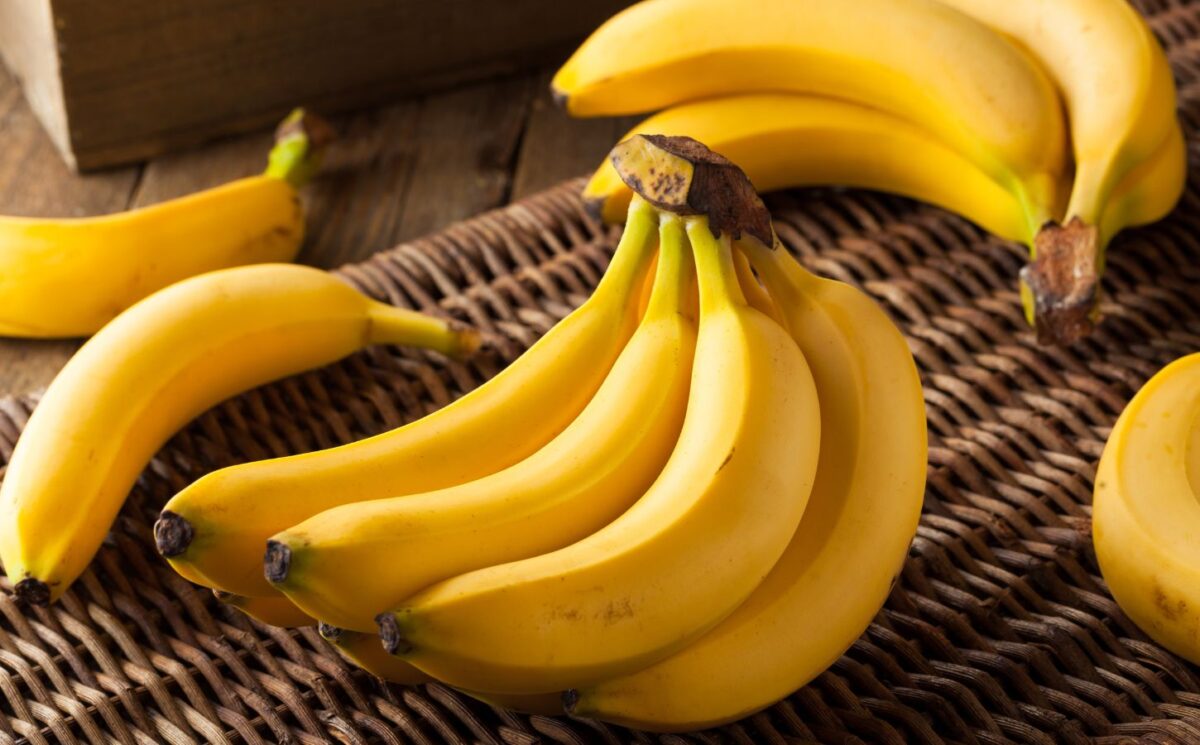
Anyone who loves banana “nice cream” knows the least appealing part often comes after dessert: cleaning the equipment. Raw vegan advocate Dr Doug Graham has found a considerably simpler solution. In a video shared by fellow raw vegan creator Chris Kendall of The Raw Advantage, Graham explains why frozen and thawed bananas have become his favorite way to enjoy the fruit.
Kendall and Graham both share lifestyle, health, fitness, and nutrition tips through their online platforms. But Graham’s banana ritual is not really about optimizing nutrition. It starts with a much simpler motivation: he loves bananas, he loves ice cream, and frozen and thawed bananas give him something close to both.
Read more: 10 Vegan Banana Recipes That Aren’t Banana Bread
Why Graham freezes his bananas
For more lifestyle tips and info about the benefits of raw food nutrition, check out Kendall’s YouTube channel, The Raw Advantage, or Graham’s channel, FoodnSport with Dr. Doug Graham.
Graham tells Kendall that he grew up eating plenty of ice cream and still enjoys its texture. He has made banana ice cream before, but the cleanup made the process less appealing. “It was kind of cool making ice cream out of bananas,” Graham says, “but it’s not that cool cleaning the machinery.” His alternative requires no blender at all. He freezes peeled bananas, removes them from the freezer and lets them partially thaw before eating them with a fork.
The thawing time depends heavily on the temperature around him. Graham says it can take around two and a half hours during winter at home. In summer, he says the process may take about 20 minutes. In Costa Rica, he says it can take roughly 10 minutes.
He also stacks the bananas so air can circulate around their exposed edges. That helps them soften more evenly than a tightly packed frozen pile. Graham says the bananas begin thawing from the ends, allowing him to eat inward as each section reaches his preferred consistency.
“When I let them thaw, the texture becomes pretty much ice cream,” he says. “I’m eating one forkful of ice cream at a time.”
For Graham, that texture is central to the appeal. The method gives him a chilled, creamy dessert experience without processing the bananas into a separate dish.
Why the bananas taste sweeter
Texture is only part of Graham’s explanation. He also says freezing affects the banana’s cells and changes how its sugars are experienced when eaten.
“When I freeze a banana, the cells of the banana burst,” Graham says. He explains that once the fruit thaws, the glucose inside becomes more accessible. According to Graham, that makes the banana taste noticeably sweeter, even though it has not actually gained more sugar.
“It tastes sweeter. It’s not sweeter, but it tastes sweeter,” he says.
Graham notes that the effect remains even if the banana completely returns to room temperature. However, he does not recommend waiting that long for texture. Fully thawed bananas become what he describes as “very dense and sluggish mush,” which he finds less appealing.
His preference sits somewhere between frozen solid and fully thawed. The outside becomes soft enough for a fork, while the center remains chilled and slightly firm. Later in the video, he demonstrates the ideal stage for Kendall.
“It’s the perfect texture,” Graham says. “It releases so much more flavor.”
He says a fork should slide through the banana with only slight pressure. If the fruit remains hard enough that pressing it leaves no dent, Graham considers it too frozen.
Graham says freezing may also change the fiber
Graham also discusses what he believes happens to banana fiber during freezing and thawing. He says he was originally taught that fiber was indigestible, but later learned that gut microorganisms can digest some fibers.
“The fibers aren’t digestible by human beings,” Graham says. “But the fibers are digestible by the microbes inside of human beings.”
He says freezing and thawing changes the fibers in a way that makes them more accessible to those microorganisms. Graham adds that this process may make “a little more glucose and a little more protein” available than eating the banana at room temperature.
However, he repeatedly stresses that this nutritional discussion is not why he prepares bananas this way. For him, the decision is driven by enjoyment rather than nutritional calculations.
“Please understand, I’m not doing it for that reason,” Graham says. “I’m not in the least concerned about the nutrition.”
Although he says he knows the nutritional value of bananas, Graham emphasizes that pleasure comes first. “I’m eating the banana because I really like banana,” he says. “And I really like ice cream.”
That distinction makes his habit unusually uncomplicated. The potential nutritional changes interest him, but they are not the selling point. He wants a banana that tastes sweeter and feels more like dessert.
Read more: What Is The Viral Banana Pudding And Can You Make It Vegan?
His preferred way to eat most bananas
Graham estimates that about three-quarters of the bananas he eats during the year are prepared this way. He typically freezes around 10 to 12 bananas in a freezer bag, depending on its size. Some bags, he says, can hold 14.
Once he empties a bag, he shakes out any ice inside, refills it with bananas and returns it to the freezer. “It’s a pretty clean system,” Graham says.
Cleanliness is another reason he prefers using a fork rather than making banana ice cream. He eats the softening ends first and works toward the colder center. He even jokes about treating the stacked bananas like Jenga and trying to finish them without collapsing the pile.
“I’m having fun with my food,” Graham says.
When Kendall eventually tries the method himself, Graham directs him toward the softer portions sticking out from the stack. Graham’s own ideal banana remains chilled, slightly firm and soft enough to cut using the side of a fork.
For anyone accustomed to blending frozen bananas into dessert, frozen and thawed bananas offer a far simpler variation. Graham’s method requires little more than a freezer, some patience, and a fork. More importantly, his enthusiasm comes back to something refreshingly basic: he thinks they taste good.
Please note: PBN runs a sponsored content model. To explore how you can get featured, please email [email protected] or visit everkinddigital.com.