Community
 Print
Print



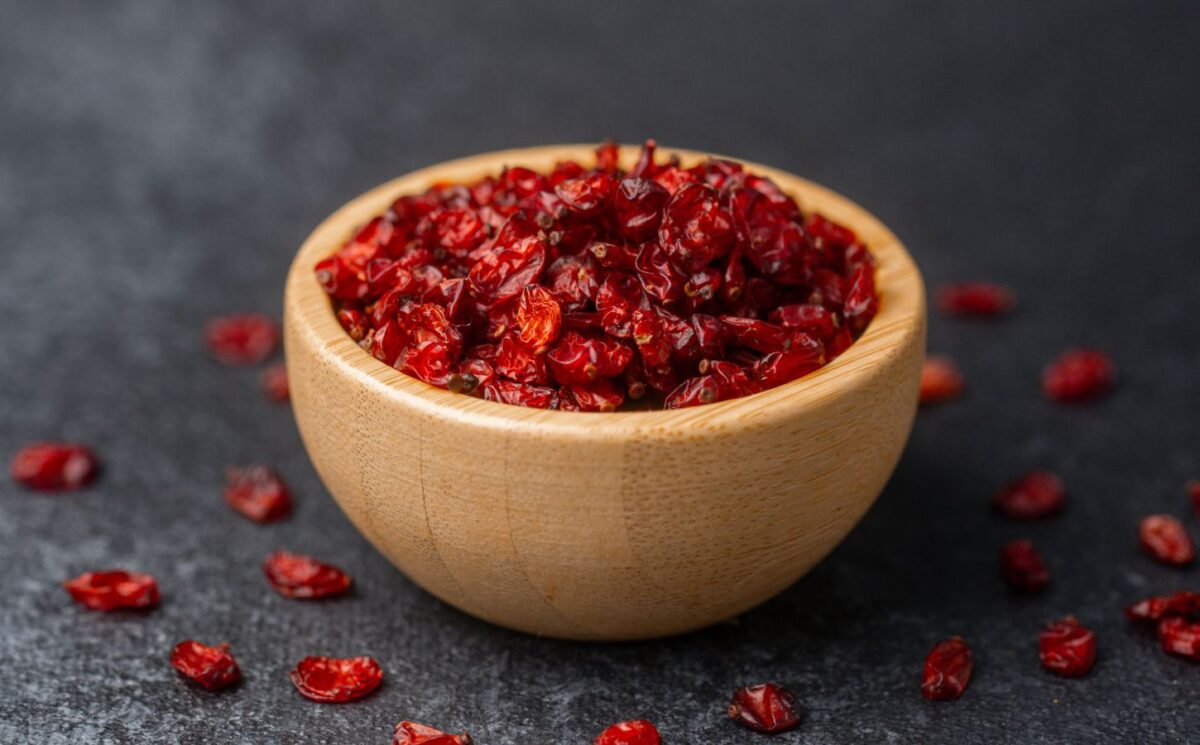
Making a meaningful dietary change does not always require overhauling every meal. Sometimes, it can be as minimal as adding a teaspoon of something to your breakfast. Plant Based Science London, known for compressing nutrition research into accessible YouTube videos, recently explored a berry that lowers cholesterol and may offer other potential health benefits.
The channel highlights research on plant-based foods and explains what those findings could mean in everyday life. In its video, “Add 1 Tsp Of This To Oatmeal Every Day! Life Saving?,” it focuses on dried barberries after Dr Michael Greger describes them as “one of the most powerful foods out there.”
Read more: The Surprising Food That Rivals Blueberries For Antioxidant Power
Why Dr Greger is excited about barberries

For more plant-based health and nutrition content, visit Plant Based Science London’s YouTube channel.
Barberries are small, dried, ruby-red berries with a tart, sour flavor. According to Greger, they can be sprinkled over oatmeal, eaten by themselves, or incorporated into food however someone prefers. More importantly, he says it may take surprisingly little to have an effect. “I think the active dose is like a teaspoon a day is all you need to significantly lower cholesterol,” Greger says. He responds enthusiastically to the simplicity of that idea, adding: “Oh my god, how easy, cheap, fun.”
That makes barberries a particularly interesting berry that lowers cholesterol, at least according to the research discussed in the video. However, Greger does not suggest forcing yourself to eat a food you dislike. He stresses that sustainable habits matter more than short-lived dietary changes. “I want people to do what’s sustainable,” he says. If someone dislikes the sour taste of barberries, he suggests finding another food they genuinely enjoy rather than grimacing through a daily routine. The video notes that Greger also mentions dried apple rings as another food associated with lower LDL cholesterol.
That long-term approach is central to his message. “What you eat today doesn’t matter. What you eat next week doesn’t matter,” Greger says. “What you eat every single day for the next years and decades. Ah, that’s what matters.”
Research points to benefits beyond cholesterol
Plant Based Science London also highlights a narrative review examining existing research on barberries and their compounds. According to the video, researchers describe a broad range of potential effects, including anti-inflammatory activity, immune system modulation, and antioxidant properties.
The review also points to possible neurological benefits. The video explains that barberry compounds may help preserve the blood-brain barrier and reduce inflammatory cell infiltration in the brain. It also discusses kidney protection observed in animal research. In those models, berberine, a bioactive compound found in barberries, reduced immune cell infiltration and tissue damage associated with kidney inflammation.
Researchers also note potential anti-cancer activity. Barberry compounds are described as being able to scavenge damaging free radicals, which could potentially reduce oxidative stress. Plant Based Science London calls the review “astonishing” while walking viewers through the range of findings.
Still, the video makes clear that cholesterol reduction appears to be the standout feature for Greger. That emphasis helps explain why this berry that lowers cholesterol takes center stage despite the wider research discussed.
Read more: Strawberries May Benefit Brain Function And Heart Health, Study Finds
Why cholesterol matters so much
For Greger, the cholesterol question has become especially important. Plant Based Science London says his emphasis follows research he has recently examined on cholesterol levels and their effects on health.
The video says his new mantra is: “If you could ask just one question about a food, it would be, ‘What does it do to my cholesterol?’” That focus helps explain why the LDL-lowering potential of barberries stands out so strongly to him.
Just as importantly, Greger emphasizes finding dietary habits that people can actually maintain. He is not describing an elaborate recipe or dramatic dietary intervention. He is talking about roughly one teaspoon of a tart dried berry added to something as familiar as oatmeal.
As Greger puts it, lasting patterns matter more than a few unusually healthy meals. In this case, the appeal is simple: a tiny daily addition could potentially support lower cholesterol, while fitting easily into an everyday breakfast routine.
Please note: PBN runs a sponsored content model. To explore how you can get featured, please email [email protected] or visit everkinddigital.com