Community
 Print


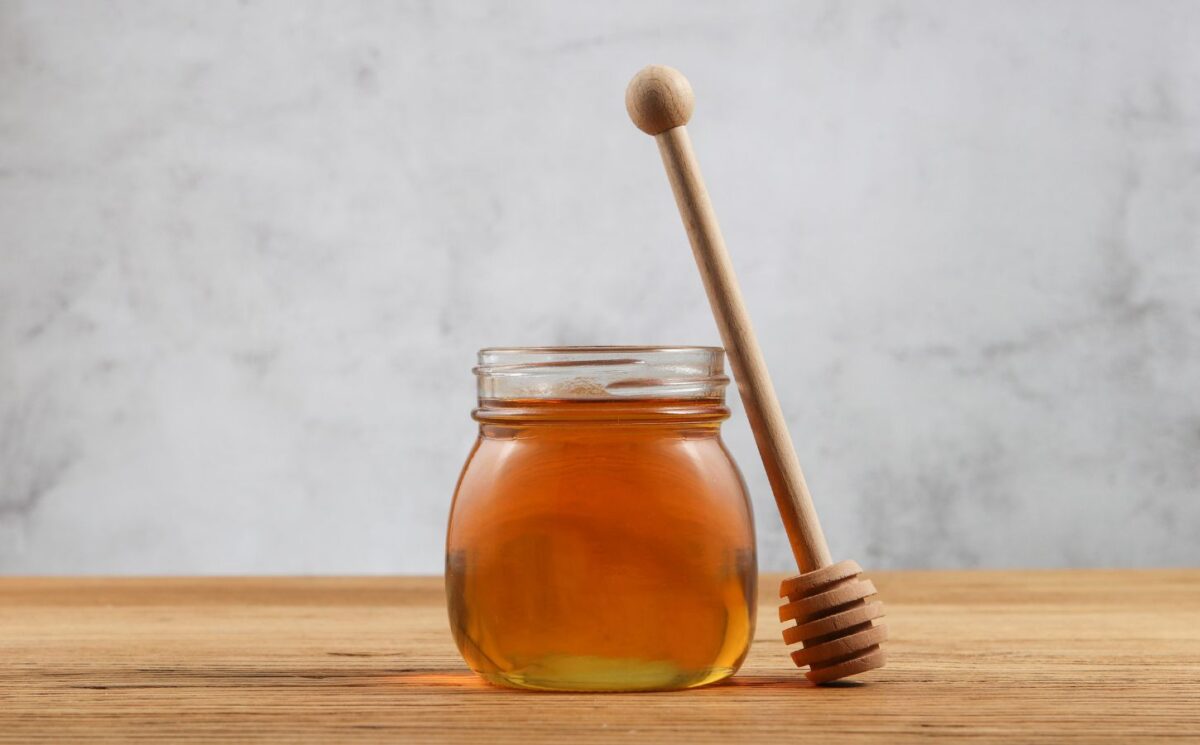
Researchers have engineered a synthetic vegan honey with antimicrobial properties similar to New Zealand’s highly prized mānuka honey.
The discovery comes as antibiotic-resistant bacteria continue to spread and honeybee populations continue to decline. Antimicrobial vegan honey represents a sustainable, ethical, bee-free alternative to mānuka that can fight bacteria.
Read more: Public Money Is Still Being Used To Buy Frankenchickens In The UK
Mānuka honey is made by bees that pollinate the mānuka bush and features a unique flavor, appearance, and antibacterial properties. It is naturally rare, often extremely expensive, and can vary significantly from batch to batch.
A team of researchers from Aston University in Birmingham, UK, has found that it is possible to recreate mānuka’s antibacterial qualities in a vegan honey. The team found that the most effective formulas featured methylglyoxal (MGO) and enzyme-based systems that generate hydrogen peroxide within the honey.
The researchers previously demonstrated that traditional mānuka is active against highly drug-resistant bacteria such as Mycobacterium abscessus, and they found that the most effective vegan honey formulations killed M. abscessus outright.
Jonathan Cox, senior lecturer in biosciences at Aston University and the study’s lead author, said, “Longer term, this research could help support the development of sustainable honey-inspired antimicrobial products for wound care or other topical applications, without relying on bee-derived ingredients.
“The work also provides insight into how natural honey functions, which may help guide the design of next-generation antimicrobial therapies.”
Cox said future work should aim to optimize the vegan honey formulations, better understand how different antimicrobial components work together, and test the efficacy of synthetic honeys against other notable disease-causing bacteria.
PLOS ONE published the study in September.
Read more: Researchers Make Gluten-Free Alternative Proteins Using Potatoes
Factory farming, antibiotic resistance, and pesticides
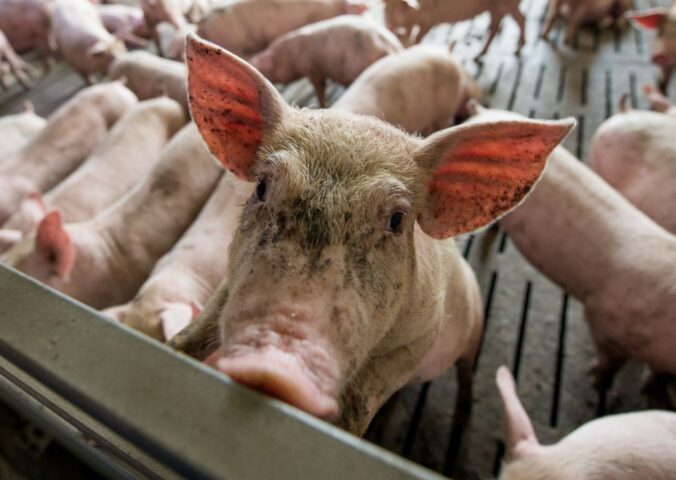
The use of antibiotics in animal agriculture and factory farming, in particular, is a major contributor to antimicrobial resistance. According to a study from earlier this year, the “livestock” sector represents 73 percent of all global antimicrobial consumption.
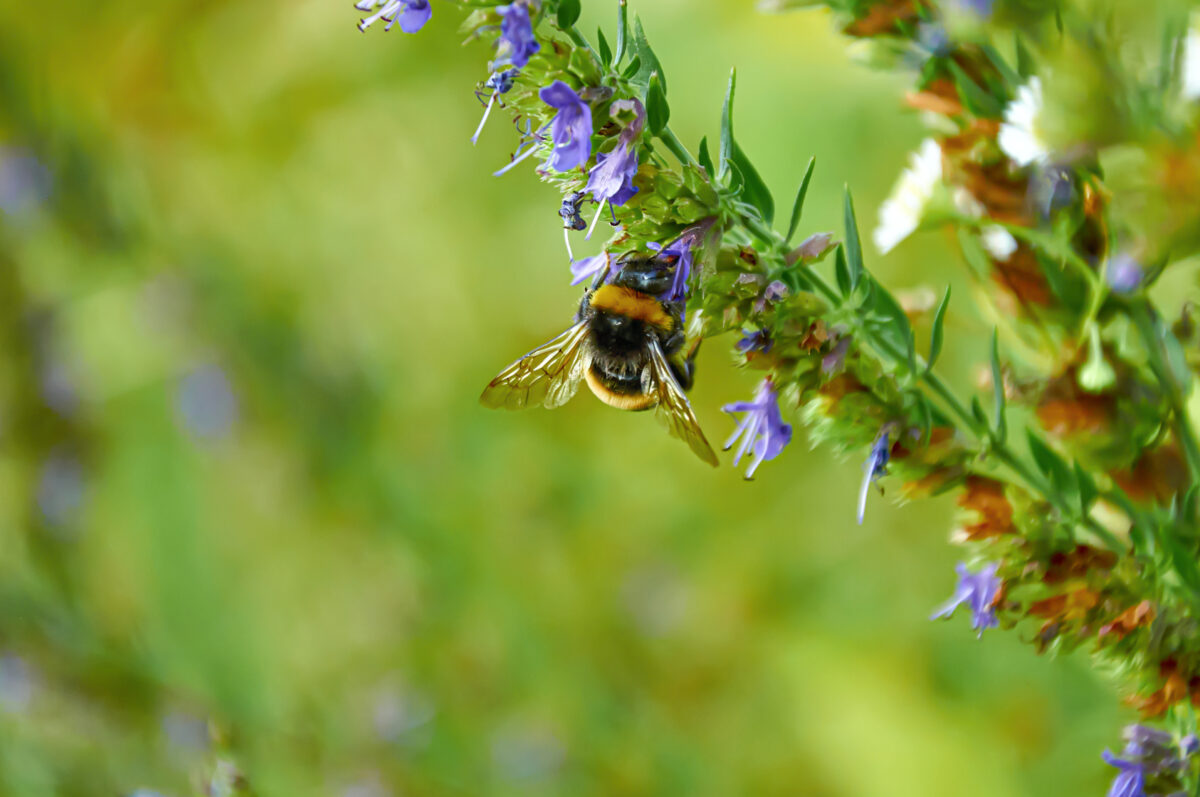
When it comes to bees, more than 170 of Europe’s wild bee species are threatened with extinction, while the US alone lost over 55 percent of all managed honeybee colonies between April 2024 and April 2025. Habitat destruction, pesticides, and intensive agriculture are three of the leading drivers of pollinator decline worldwide.
PBN runs a sponsored content model. To explore how you can get featured, please email [email protected] or visit everkinddigital.com