Community
 Print


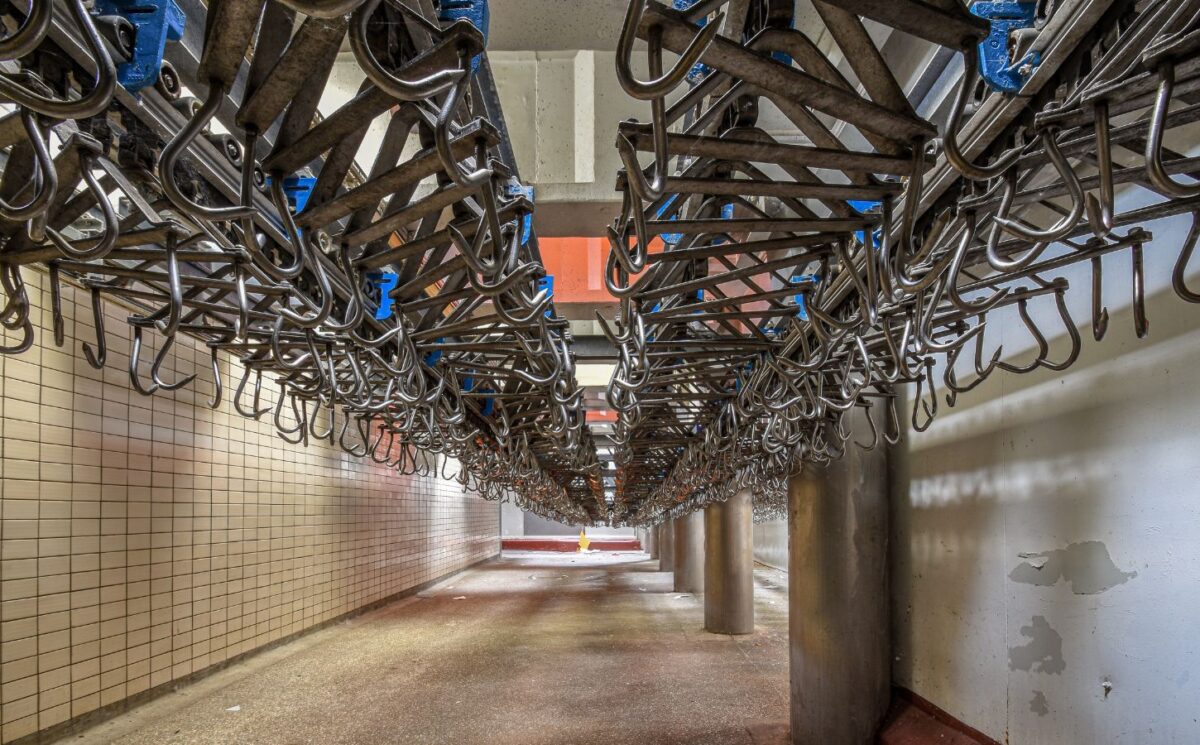
The number of abattoirs in the UK has declined from 2,500 in the 1970s to just 203.
That represents a decline of roughly 92 percent, and while fewer slaughterhouses may appear to be a victory for the animals, the reality is not so simple.
Read more: Workers Walk Out After Fourth Death At Smithfield Meat Plant
A 2025 survey of 850 farmers and land managers found that two-thirds had difficulty accessing a suitable abattoir, and one-third had seen an abattoir they used close.
That data was included in a report by the Sustainable Food Trust, Soil Association, and Rare Breeds Survival Trust. The report calls for urgent government intervention to prevent further closures and support British food security and farmers. It also warns that closures could lead toward larger, more industrialized supply chains.
The UK food system, and the meat industry in particular, are already trending towards industrialization. As shown in the US and elsewhere, the economic pressures of huge, centralized meat processing plants are particularly at odds with basic animal welfare standards, as well as safe working conditions for those employed by the sector.
Last year, a report by the Scottish Animal Welfare Commission concluded that the potential closure of small and medium-sized abattoirs would be likely to increase livestock journey distances and durations as well as illegal slaughter activity.
Fewer abattoirs, more animal deaths
To be clear: anything other than abolishing the exploitation and slaughter of animals for food falls short of what they deserve. But in the meantime, the overall direction of the industry has an incalculable impact on countless animal – and human – lives.
In this case, the closure of small abattoirs will not necessarily result in fewer animal deaths; instead, it is likely to further consolidate the power that large companies hold over food production and the meat industry, increasing their profits and growth. And while UK abattoirs might be closing, national demand for meat continues to rise.
Read more: Most UK Farmers Say Uncertainty Over Extreme Weather Is Harming Their Business
The industrialization of the UK meat industry
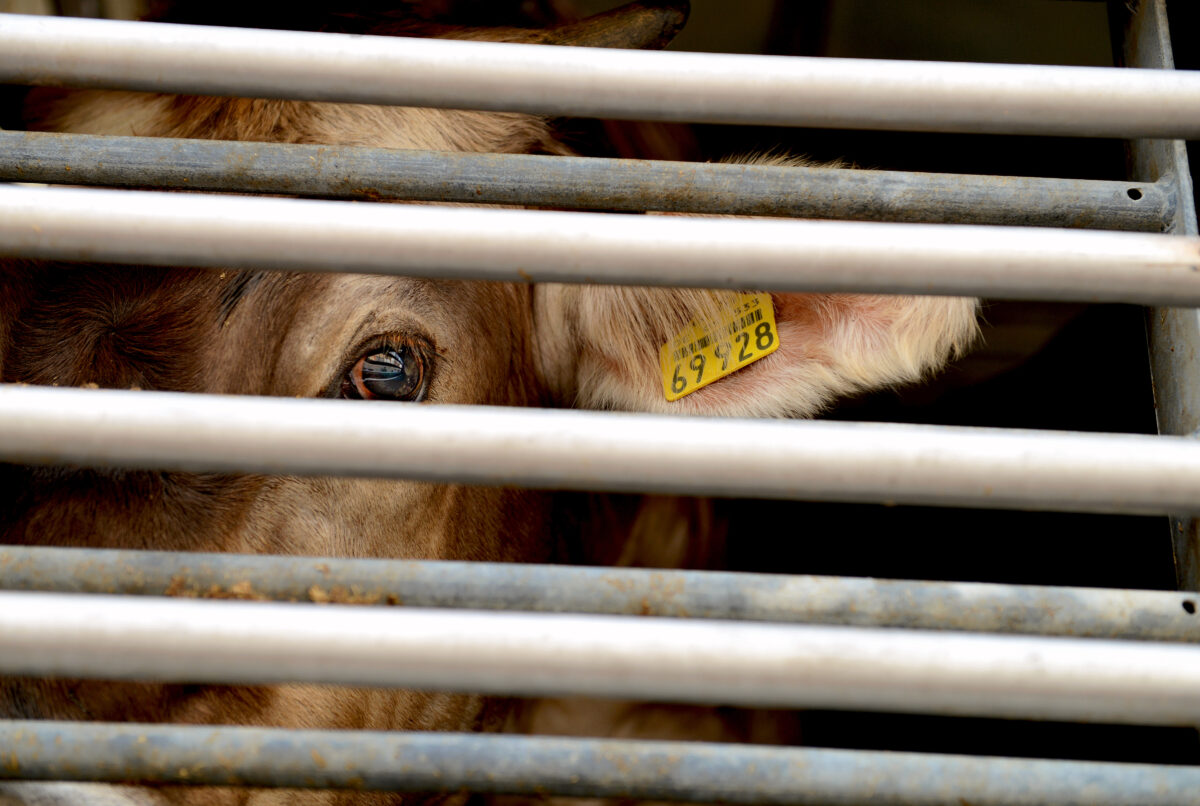
The UK meat industry is already becoming increasingly concentrated in the hands of a small number of very big companies. There are a growing number of large-scale factory farms, including huge, US-style “megafarms,” the 30 largest of which reportedly have the capacity for more than 11 million chickens and 145,000 pigs.
In September, a report found that just three companies have “almost complete market domination” of the UK poultry supply. Meanwhile, five companies account for approximately 60 percent of dairy processing turnover, and just eight companies control about 70 percent of the UK’s overall meat processing turnover.
As industrialization accelerates, the inevitable emphasis on profits above all else will likely continue to erode welfare standards, working conditions, and the livelihoods of farmers, all while increasing the number of animals farmed and slaughtered for food.
PBN runs a sponsored content model. To explore how you can get featured, please email [email protected] or visit everkinddigital.com