Community
 Print
Print



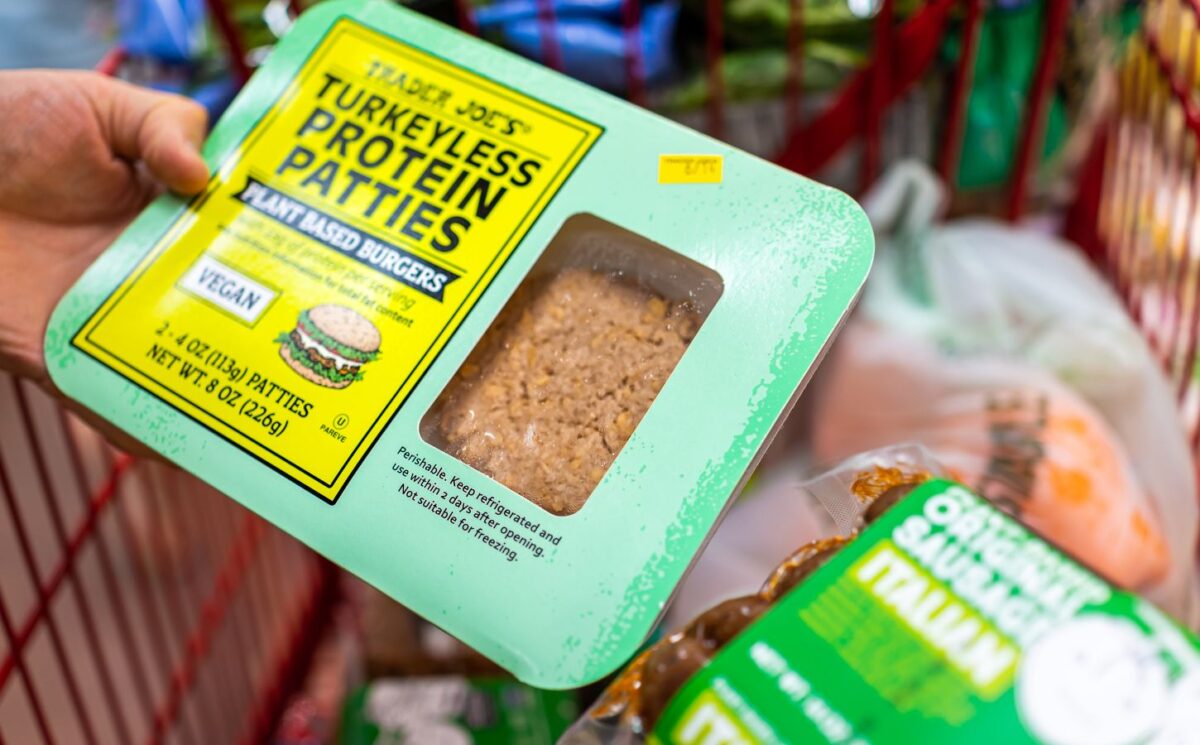
Several members of the European Parliament (MEPs) have sought to expand the EU plant-based label ban to include more “meaty” words.
The development comes shortly after a series of record-breaking heatwaves across Europe, caused primarily by the worsening climate crisis and animal agriculture. Embracing alternative proteins, instead of legislating against them, could reduce the EU’s environmental footprint and support health improvements across the bloc.
Read more: Animal Agriculture Is Responsible For The UK’s 40C Heatwave
In June, a much-debated EU-wide ban on using meaty words to label and market plant-based foods passed with a huge majority. However, while the ban restricted the use of 31 different words, it did not apply to general terms such as sausage or burger.
MEPs from the European People’s Party, European Conservatives and Reformists, and Patriots for Europe sought to expand the ban’s scope at the end of August. The proposed amendments name: steak, escalope, sausage, burger, hamburger, bacon, ham, ribs, fillet, loin, and breast, as well as “other equivalent meat-related names.”
If adopted, the amendments could widen restrictions to include the common words not included in the ban’s previous iteration. Debates on the amendments began at the start of September, and a committee vote is expected in December. If they pass the committee vote, they will proceed to a plenary vote in 2027, which would make this the third time in six years the EU Parliament has spent time debating such a ban.
Read more: Three Companies Have ‘Almost Complete Market Domination’ Of UK Poultry Supply
Plant-based labeling ban could increase confusion, raise costs, and harm farmers
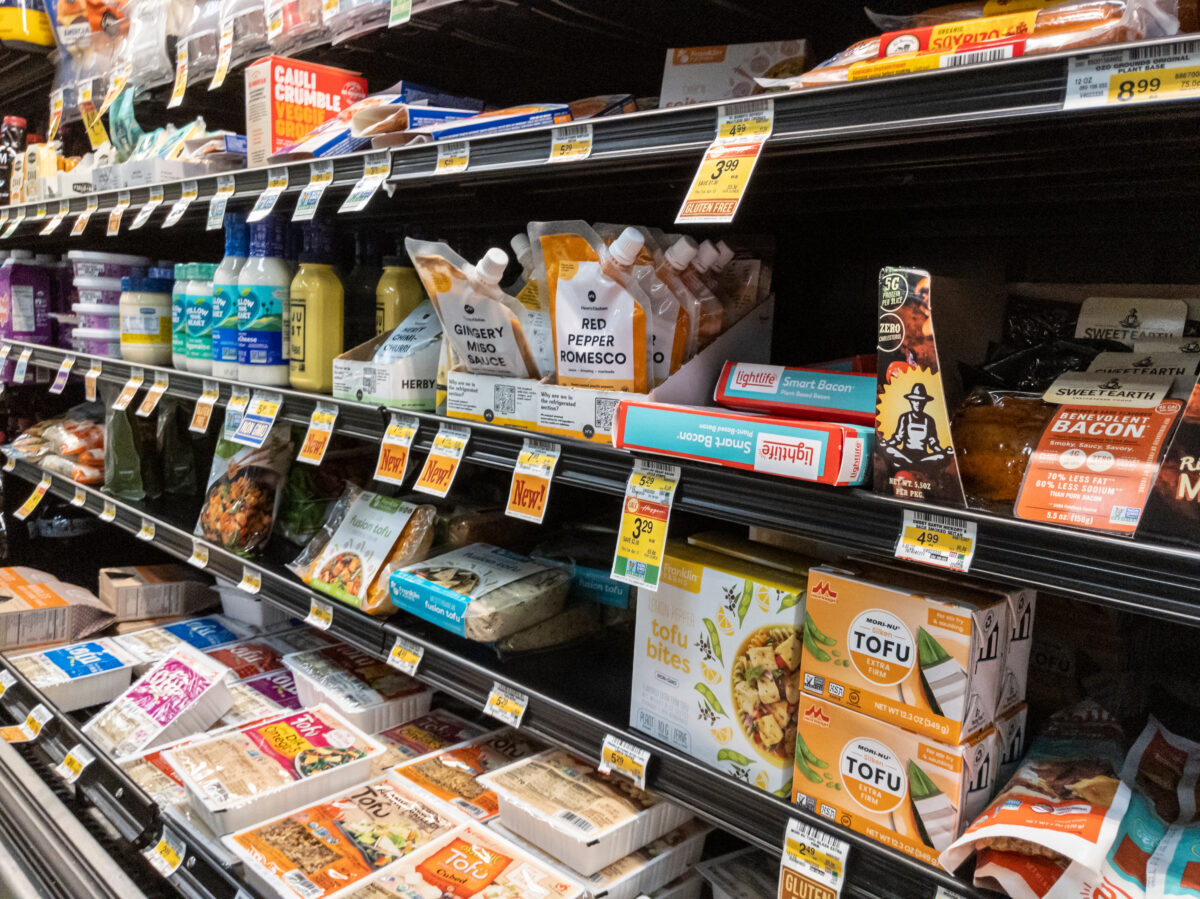
A whitepaper from ProVeg International, published before the ban was approved, explored what legislation could mean for the plant-based market in detail. It found that a ban on meaty words would risk increasing confusion, raising costs, and undermining sector innovation, a key route to increasing uptake of plant foods.
As reported by Food Ingredients First, the European Alliance for Plant-based Foods has renewed its opposition to the ban and argued that further restrictions will penalize manufacturers, farmers, and consumers, create further instability, and make achieving the EU’s Protein Action Plan, which was announced in July, more difficult.
PBN runs a sponsored content model. To explore how you can get featured, please email [email protected] or visit everkinddigital.com