Community
 Print
Print



According to a new study, global uptake of plant-rich diets within an ideal transformation scenario could reduce emissions by 76 percent.
A full overhaul of the food system, including halving food waste and widespread adoption of the mostly plant-based Planetary Health Diet, could also reduce global agricultural land use by six percent by 2050, freeing up an area the size of India.
Read more: Pig Farm Transformed Into ‘Thriving’ Specialty Mushroom Operation
Nature published the new study in July. The research was led by Cornell University in association with the Potsdam Institute for Climate Impact Research (PIK) and the Agricultural Model Intercomparison and Improvement Project (AgMIP).
The team simulated different scenarios to create ten models of the food system, which they compared to “business-as-usual projections” through to 2050.
In addition to reducing emissions, they found that uptake of the EAT-Lancet Commission’s Planetary Health Diet could significantly reduce agricultural land use, and that business as usual will bring enormous social, environmental and health costs, despite the challenges of overhauling agriculture and the global food system.
‘It’s not a linear path from A to B. It won’t be nice and tidy’
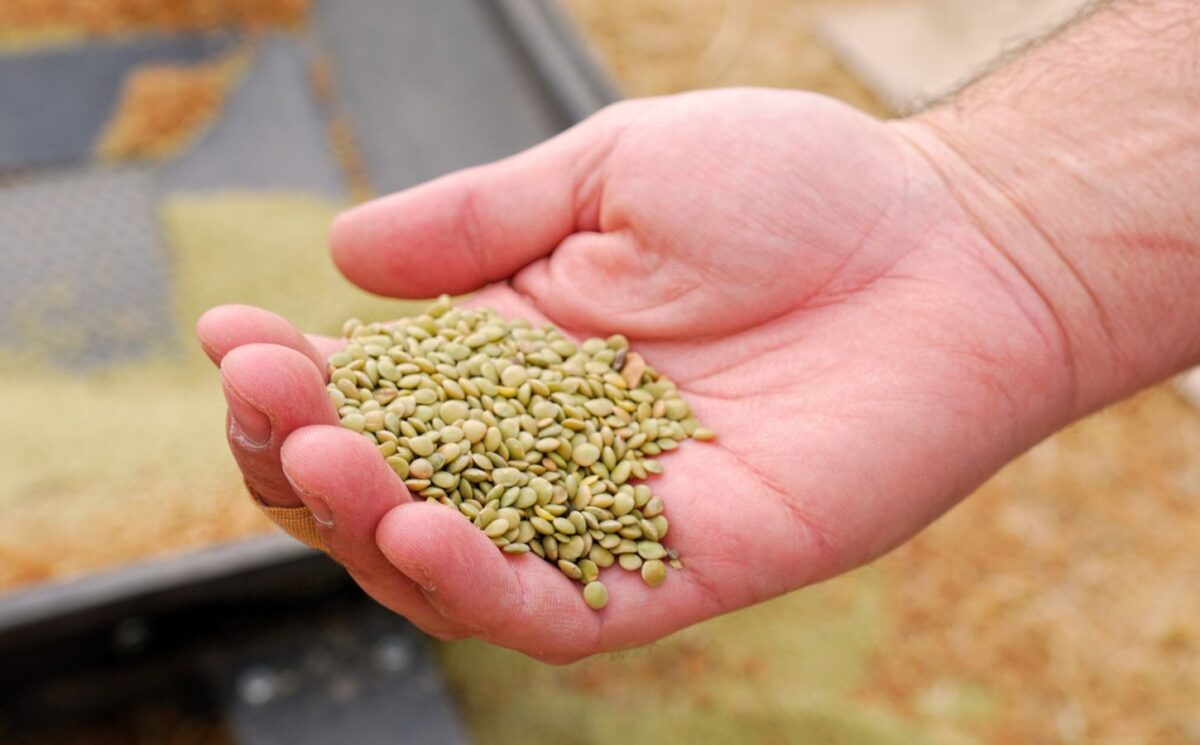
The researchers also found that widespread uptake of plant-rich diets could lead to a 42 percent decline in livestock production value and a 17 percent decline in agricultural production. However, projected increases in the value of legumes, nuts, fruits, vegetables, and other plant foods could partly offset these decreases.
Matthew Gibson, a former postdoctoral associate in the Food Systems and Global Change research group in the Cornell CALS Ashley School of Global Development and the Environment, and the study’s co-author, said, “This work underlines that the scale of this change is huge and the policy ambition has to be commensurate with the challenge. We have to think about a coordinated push involving governments, industry and consumers alike.” He added, “It’s not a linear path from A to B. It won’t be nice and tidy. We were trying to tease out the facets that make it messy and put numbers on how sectors might shrink or grow.”
Read more: Planetary Health Diet Cuts Heart Disease Risk By 28%, Finds 20-Year Study
‘A radical shift in food production and consumption requires more than marginal fixes’

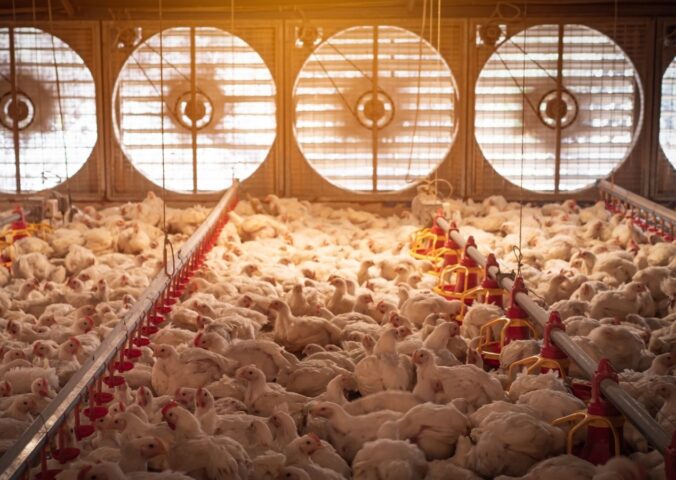
The food system’s current emphasis on high-impact, inefficient animal products is deeply unsustainable, but demand for meat is continuing to rise.
This week, some experts have highlighted the likelihood of food shortages in the wake of this summer’s record-breaking heatwaves and droughts. It has been hypothesized that the food system is now on the brink of collapse, but widespread adoption of the Planetary Health Diet would likely require extensive legislative intervention, meaningful support for farmers, and government will.
Daniel Mason-D’Croz, senior research associate at Cornell and another of the study’s co-authors, said, “Often these kinds of changes are presented as relatively small or easy because in principle anyone can adopt a healthy diet, which overstates the impact of individual choice.”
He added, “A radical shift in food production and consumption requires more than marginal fixes. Systematic changes require real political capital and will.”
PBN runs a sponsored content model. To explore how you can get featured, please email [email protected] or visit everkinddigital.com