Community
 Print


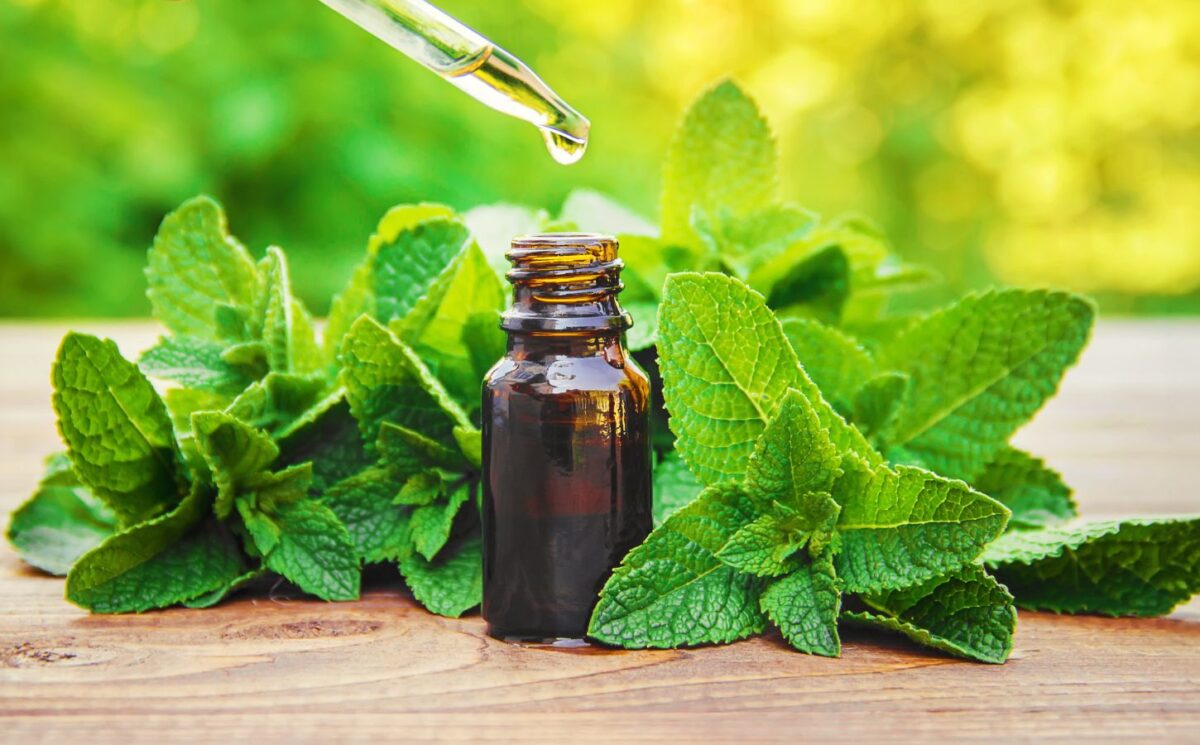
Most people think of mint as something that freshens breath or adds flavor to tea, salads, and desserts. But according to Physicians Committee Lead Clinical Researcher Dr. Hana Kahleova, the herb deserves a lot more attention. The health benefits of mint extend far beyond taste, with research linking it to improved circulation, better digestion, reduced inflammation, pain relief, and even enhanced exercise performance.
Kahleova recently joined The Exam Room podcast from the Physicians Committee for Responsible Medicine (PCRM) to discuss the science behind mint and the many ways it may support health. During the conversation, she reviewed studies on menthol, peppermint oil, and fresh mint leaves, while also sharing practical tips for getting the most from the herb.
Read more: This Everyday Plant Food May Do More For Your Health Than You Think
One key takeaway is that fresh mint appears to preserve the highest levels of antioxidants, though mint tea and peppermint oil may offer unique benefits of their own. Kahleova is so impressed by the evidence that when asked to rate mint’s healthfulness on a scale of one to 10, she responds: “Mint is at a 12. You only need small amounts, and it works wonders.”
Mint may improve blood flow and support heart health
For more plant-based health videos, visit the PCRM YouTube channel.
One of the first benefits Kahleova highlights is mint’s ability to support circulation. She explains that menthol, one of the herb’s key compounds, can help blood vessels relax by increasing nitric oxide production.
Nitric oxide plays a critical role in vascular health because it helps blood vessels widen and improves blood flow. According to Kahleova, healthier blood vessels mean less strain on the cardiovascular system and potentially lower cardiovascular risk.
She points to a randomized clinical trial involving 30 healthy adults who received either a menthol gel or a placebo. Researchers measured circulation using laser Doppler technology and found that local blood flow increased by 45 percent within just 15 minutes of applying the menthol gel.
While the study measured circulation only at the site of application rather than throughout the body, the findings suggest that menthol can have a significant impact on local blood flow.
The herb is packed with anti-inflammatory and antioxidant compounds
Many of the health benefits of mint come from its impressive collection of phytochemicals. Kahleova explains that these naturally occurring plant compounds help reduce inflammation and protect cells from oxidative damage.
The herb contains menthol, menthone, rosmarinic acid, limonene, and several flavonoids. Together, these compounds contribute antioxidant, antimicrobial, and anti-inflammatory effects. Kahleova notes that mint has demonstrated activity against bacteria, fungi, and viruses in laboratory studies and has also shown some potential anti-cancer properties.
She is particularly impressed by mint’s antioxidant content.
“When we say antioxidants, many people are like, ‘Oh, berries are super rich in antioxidants,'” Kahleova says. “Which is true.” She then notes that mint contains substantially more antioxidants by weight than berries, although people generally consume much smaller quantities of the herb.
Her simple suggestion is to add fresh mint to breakfast, smoothies, salads, or other meals to boost antioxidant intake.
Mint can help relieve coughs and congestion
Anyone who has ever reached for a menthol cough drop during a cold has already experienced one of mint’s best-known benefits.
Kahleova discussed a study in which researchers deliberately triggered coughing in healthy volunteers using citric acid. Participants then received a one percent menthol solution through the airways. Researchers recorded a 50 percent reduction in coughing within two hours, and the benefit lasted for five hours.
Because menthol helps open airways and ease congestion, Kahleova recommends a simple home remedy.
“Mint has been shown to have beneficial effects when inhaled,” she says.
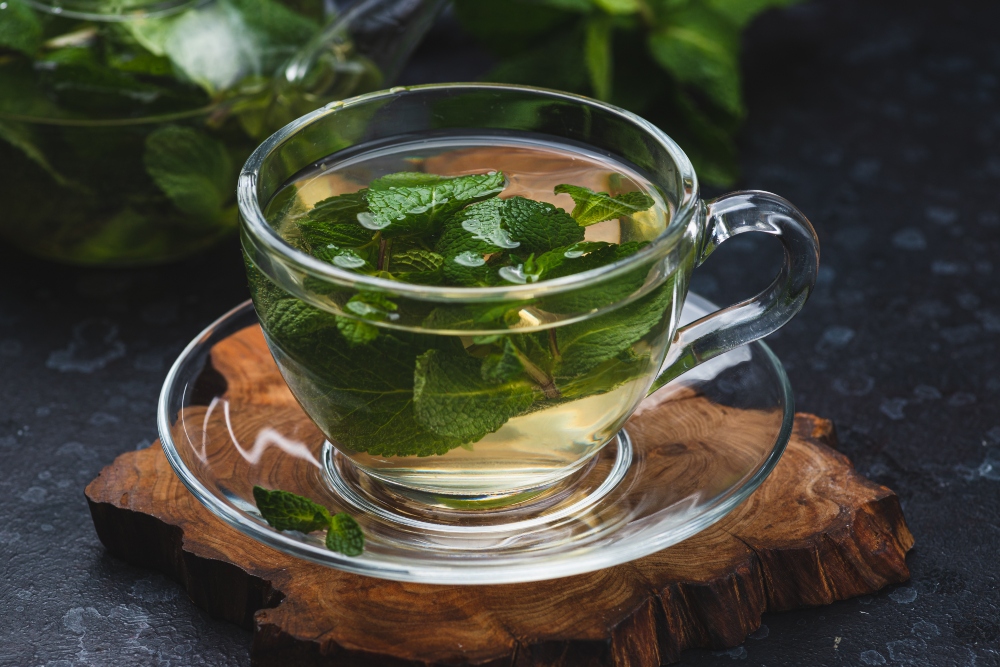
Boiling mint leaves to make tea and inhaling the steam may help suppress coughs, clear nasal congestion, and make breathing easier during a cold. The tea itself can also provide antioxidants and other beneficial compounds.
Peppermint oil may be one of the best natural digestive aids
Among the most extensively studied health benefits of mint are its effects on digestion.
Kahleova explains that peppermint oil can help relax smooth muscle tissue throughout the digestive tract. This appears to reduce spasms, improve comfort, and ease symptoms associated with digestive disorders.
One study involving 445 patients undergoing colonoscopy found that peppermint oil reduced intestinal spasms by nearly 89 percent. Another randomized trial found that peppermint oil reduced digestive pain intensity and frequency by 59 percent.
The strongest evidence may be for irritable bowel syndrome. Kahleova points to a meta-analysis of eight randomized clinical trials showing that peppermint oil helped reduce abdominal pain, cramping, bloating, gas, diarrhea, and constipation in many participants.
She says peppermint oil has consistently shown promise as a digestive aid and may be particularly helpful for people experiencing chronic digestive discomfort.
It may help reduce pain and support brain function
Menthol’s cooling sensation is more than a pleasant feeling. Research suggests it may help reduce certain types of pain.
Kahleova reviewed a study involving cancer survivors experiencing treatment-related nerve pain. Participants applied a one percent menthol cream twice daily for four to six weeks. By the end of the study, 82 percent reported improved pain, while average pain levels fell by 28 percent.
Mint may also have cognitive benefits.
One study found that inhaling peppermint oil improved alertness, memory performance, energy, and attention. However, Kahleova cautions that more high-quality clinical trials are needed before researchers can draw firm conclusions about its effects on brain health.
Still, the findings may explain why many people find mint tea or peppermint aromas refreshing and energizing during the day.
Athletes could benefit from peppermint, too
Perhaps the most surprising research discussed during the interview involved athletic performance.
In one study, researchers gave healthy university students a small amount of peppermint oil diluted in water before exercise. Compared with the control group, those who consumed peppermint oil increased their time to exhaustion by 25 percent. Lung ventilation improved by 16 percent, while running speed increased by seven percent.
Kahleova believes the improvements may be related to enhanced breathing and oxygen intake. She notes that people do not necessarily need to buy peppermint oil supplements because peppermint compounds are naturally present in fresh mint and mint tea.
Read more: Sweet Potatoes Linked To Reduced Cancer Risk, Studies Suggest
What’s the best way to consume mint?
According to Kahleova, the answer depends on what you’re trying to achieve.
For digestion, peppermint oil appears to offer the strongest evidence. For coughs and congestion, inhaling steam from freshly brewed mint tea may help. For muscle pain or tension headaches, topical menthol creams and gels have shown promise. And for overall nutrition, fresh mint leaves may be the best choice.
“Obviously, the fresh mint will contain more of the antioxidants,” Kahleova says.
Cooking can reduce some of those compounds, although heated preparations still retain benefits. For that reason, she recommends enjoying mint in multiple forms. Fresh leaves can add antioxidants to meals, while tea provides a simple way to access some of mint’s respiratory benefits.
After reviewing the evidence, it’s easy to see why Kahleova gives the herb such a high score. The health benefits of mint span multiple body systems, from the cardiovascular and digestive systems to the lungs and brain. And unlike many wellness trends, mint is inexpensive, easy to grow, and readily available in grocery stores year-round.
Please note: PBN runs a sponsored content model. To explore how you can get featured, please email [email protected] or visit everkinddigital.com.