Community
 Print
Print



A new Netflix film featuring an octopus could make you rethink seafood.
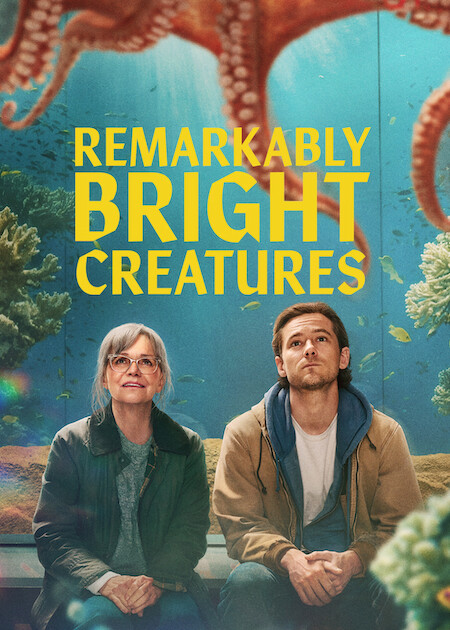
Remarkably Bright Creatures is a mystery drama film that one viewer described as “a masterpiece in every single way.” It premiered on Netflix earlier this month.
Read more: New Film Highlights The ‘Hidden Human Cost’ Of The Meat Industry
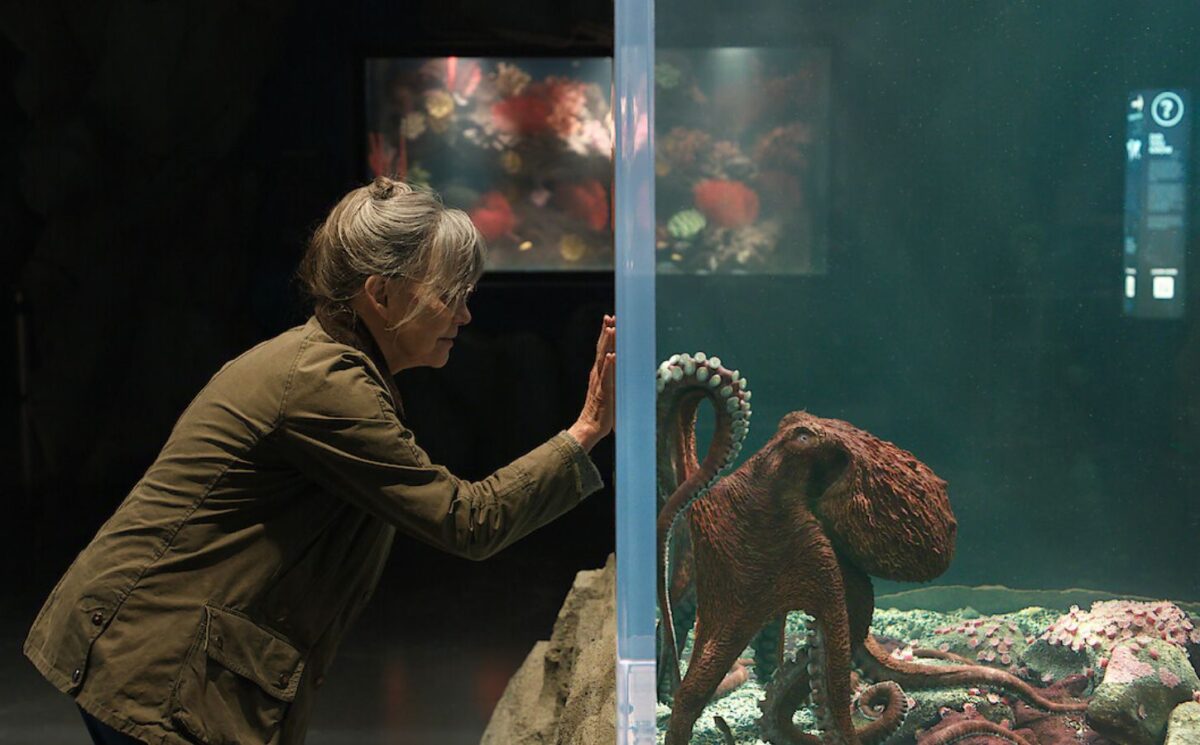
Remarkably Bright Creatures follows Tova, an elderly woman who works as a cleaner at an aquarium, as she befriends Cameron, a young man who has just arrived in town. The film is narrated by a Giant Pacific octopus who observes their friendship.
The film is based on the 2022 novel by Shelby Van Pelt. It stars Sally Field as Tova, Lewis Pullman as Cameron, and Alfred Molina as Marcellus. Remarkably Bright Creatures is directed by Olivia Newman (Where the Crawdads Sing).
While Remarkably Bright Creatures is primarily about Tova, Cameron, and their families, Marcella the octopus plays a pivotal role in how the narrative unfolds. He also drives the storytelling itself, performing the role of a cephalopod Greek chorus.
As reported by Netflix’s Tudum, Marcellus is an entirely VFX creation, which means that he was created using 3D computer programs and added into the film digitally. As a character, Marcellus is sassy, sarcastic, and extremely intelligent.
In 2020, Netflix released the critically acclaimed documentary My Octopus Teacher, which followed filmmaker Craig Foster as he befriended a wild common octopus.
Read more: AI And Animals: New Documentary Warns Of ‘Factory Farming 2.0’
Seafood, octopus farming, and sentience
Much like the fictional Marcellus, real octopuses are remarkably intelligent, sentient animals. Scientists believe they have the capacity to feel “pain, pleasure, hunger, thirst, warmth, joy, comfort, and excitement.” Octopus meat remains a common ingredient, particularly in Mediterranean, Mexican, Korean, and Japanese dishes.
Earlier this year, Mexico introduced a bill to ban octopus farming nationwide due to the extremely high mortality rates and cannibalism documented at a farm over more than a decade. Experts say there is no ethical, sustainable way to farm cephalopods.
Please note: PBN runs a sponsored content model. To explore how you can get featured, please email [email protected] or visit everkinddigital.com