Community
 Print
Print



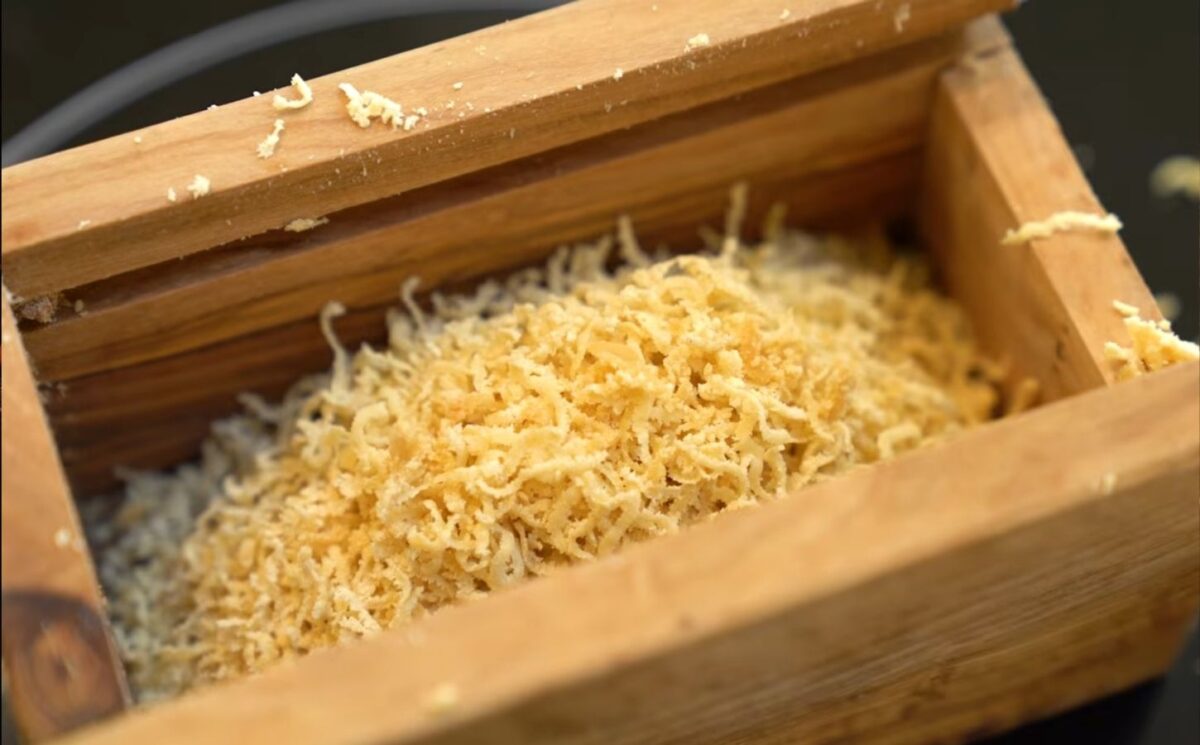
Miyoko Schinner has spent decades rethinking what cheese can be. In a recent video, the vegan cheese pioneer shares a vegan Parmesan cheese recipe that might just ruin the dairy version for you. Her recipe involves fermentation, clever ingredient swaps, and a few surprising additions to recreate the aged, dry texture of traditional Parmigiano. The result looks, smells, and behaves like the real thing but is entirely plant-based, made over just a couple of days at home.
Schinner, known for her work founding Miyoko’s Creamery and her YouTube channel The Vegan Good Life with Miyoko, has long pushed the boundaries of plant-based cheese. This recipe builds on that expertise. It combines nuts or seeds, fermented liquids, and fats with a high melting point to mimic the structure and flavor of aged Parmesan. The process is detailed but accessible, with multiple ingredient swaps so anyone can try it.
Read more: This Tempeh Parmesan Recipe Has Gone Viral For A Reason
Building flavor with unexpected ingredients
For more of Miyoko Schinner’s vegan cheese and Italian recipes, visit her YouTube channel.
At the core of this vegan parmesan cheese recipe is a blend designed to be as smooth and flavorful as possible. Schinner starts with cashews but makes it clear that flexibility is key. “You can use cashews, you can use watermelon seeds in this, or even sunflower seeds,” she says. The goal is a base that blends without grittiness.
The liquid elements are where things get interesting. Olive brine and sauerkraut juice are added not just for moisture, but for depth. Schinner explains that olives contain similar amino acids to traditional Parmesan, helping build that familiar savory profile. The sauerkraut juice contributes acidity and complexity, supporting the fermentation process.
Miso and nutritional yeast bring umami, while chickpea flour adds body. Together, these ingredients create a mixture that already leans toward a cheesy flavor before fermentation even begins.
Why cocoa butter makes all the difference
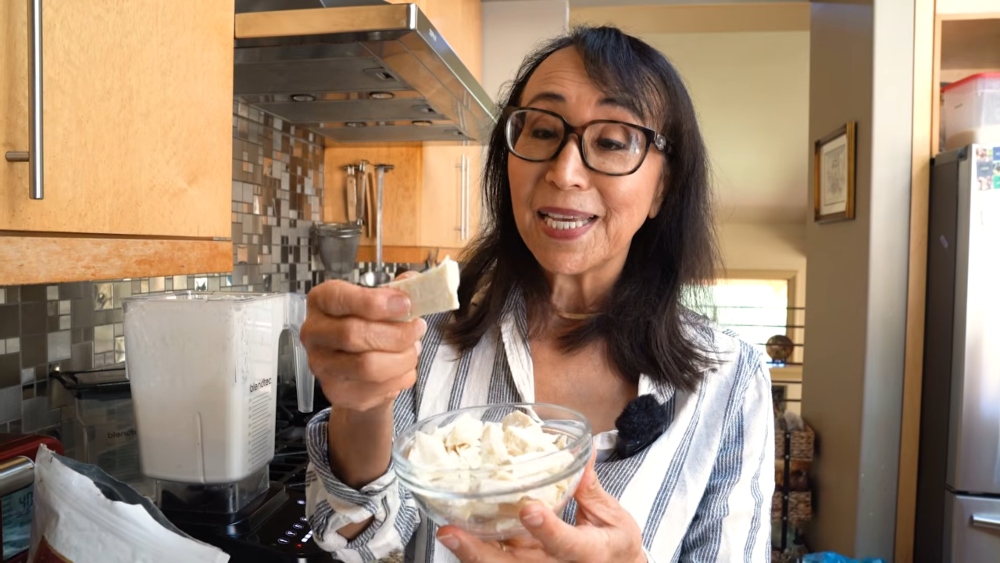
One of the standout elements in this vegan parmesan cheese recipe is deodorized cocoa butter. Schinner uses it for a specific reason: texture. With a higher melting point than coconut oil, cocoa butter helps the final cheese stay firm at room temperature.
“This will help us create a texture of a parmesan that is very hard,” she says, explaining why coconut oil can sometimes lead to a softer result. Still, she offers alternatives. If cocoa butter is hard to find, refined or deodorized coconut oil works. You can also combine both to balance firmness and accessibility.
The key is melting the fat before adding it to the mixture, ensuring it integrates smoothly without overheating the base.
Fermentation made flexible
Fermentation is what transforms the mixture from a flavorful paste into something closer to aged cheese. Schinner uses a thermophilic culture but keeps things practical for home cooks. “If for some reason you just can’t find it … you can always use yogurt,” she says, referring to plant-based yogurt as a substitute.
Temperature control is important, but specialized equipment is not required. Schinner uses a proofing box set to around 99°F, but she offers several alternatives. A warm summer day, an oven with the light on, an electric blanket, or even a well-insulated cooler can all create the right conditions.
“Cheese has been made for thousands of years, and people didn’t have fancy equipment,” she says. The mixture ferments for about 24 hours, developing a tangy, slightly sharp flavor and reaching a pH similar to traditional Parmesan.
Transforming texture through heat and starch
After fermentation, the mixture still needs structure. Schinner adds potato starch, which helps create that signature dry, grateable texture once cooked. She notes that rice flour or glutinous rice flour can work as substitutes, though you may need slightly more.
The mixture is then transferred to molds or a heatproof dish and steamed. This step gelatinizes the starch, turning the soft mixture into a firm cheese. Internal temperature matters here, with Schinner aiming for at least 160°F to ensure the right consistency.
Once cooled and refrigerated, the cheese firms up completely, becoming sliceable and grateable.
Read more: How Is Parmesan Made? The Grisly Truth Behind The Cheese
The final result: a convincing Parmesan alternative
After an overnight rest in the fridge, the cheese reveals its final form. “It really smells like Parmesan cheese,” Schinner says as she unmolds it. The texture is dry and crumbly, ideal for grating over pasta or melting into sauces.
The finished cheese works across classic dishes. It melts into pasta, adds depth to sauces, and can be used anywhere traditional parmesan would normally go. Schinner recommends sprinkling it on her cacio e pepe recipe, and demonstrates it simply, tossing it with buttered pasta and a bit of reserved pasta water for a creamy finish.
For a recipe made from just a few core ideas, fermentation, fat selection, and starch transformation, this vegan Parmesan recipe delivers a surprisingly close match to the original.
Please note: PBN runs a sponsored content model. To explore how you can get featured, please email [email protected] or visit everkinddigital.com