Community
 Print
Print



If you’re already eating blueberries, sweet potatoes, and leafy greens, you’re on the right track. But when it comes to how to boost carotenoid absorption, Plant Based Science London highlights a simple shift that can make these foods far more effective in the body.
The channel, known for breaking down complex nutrition research into accessible videos, explores how pairing carotenoid-rich foods with fat can dramatically increase how much nutrition your body actually absorbs. In some cases, the boost is not small. It can reach up to 15 times more.
Read more: This Everyday Plant Food May Do More For Your Health Than You Think
Why fat matters for carotenoid absorption
The key lies in how carotenoids behave in the body. These compounds, responsible for the bright colors in many fruits and vegetables, are fat-soluble. That means your body cannot properly absorb them without fat.
Dr. Michael Greger explains: “We always want to have some source of fat in our stomach anytime we eat carotenoid-rich foods.”
Without that fat, much of the nutrition simply passes through the digestive system. He adds that if a salad contains no fat source, “you’re going to absorb very few of that fat-soluble nutrition.”
This is where small changes can make a measurable difference. Adding even a modest amount of fat allows the body to access nutrients that would otherwise go unused.
Foods rich in carotenoids
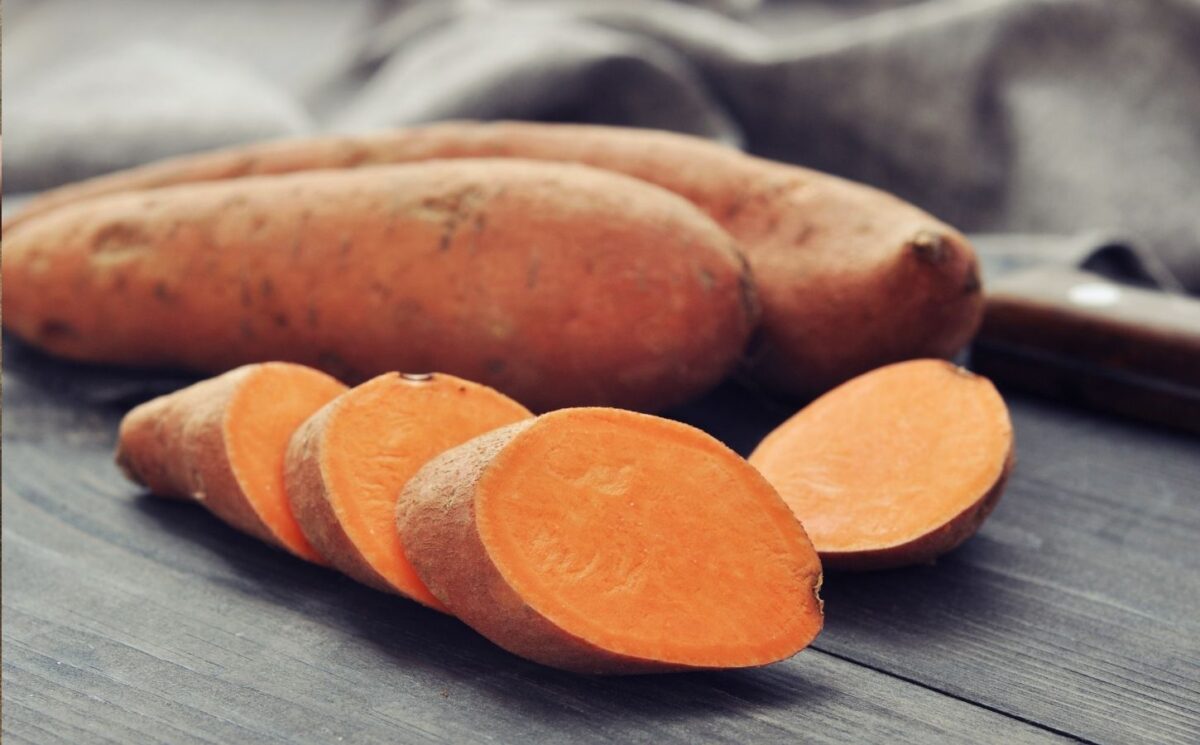
The video highlights a wide range of everyday plant foods that contain carotenoids, from blueberries and sweet potatoes to carrots, tomatoes, spinach, kale, bell peppers, papaya, and mango. These brightly colored foods are already linked to benefits like improved eye health, immune support, and reduced disease risk, but their impact depends heavily on absorption.
That’s where the idea of how to boost carotenoid absorption becomes practical. It’s not just what you eat, but how you combine it.
The fat sources that make a difference
Not all fats are treated equally in this context. The video emphasizes whole food sources as the most effective and health-supportive options.
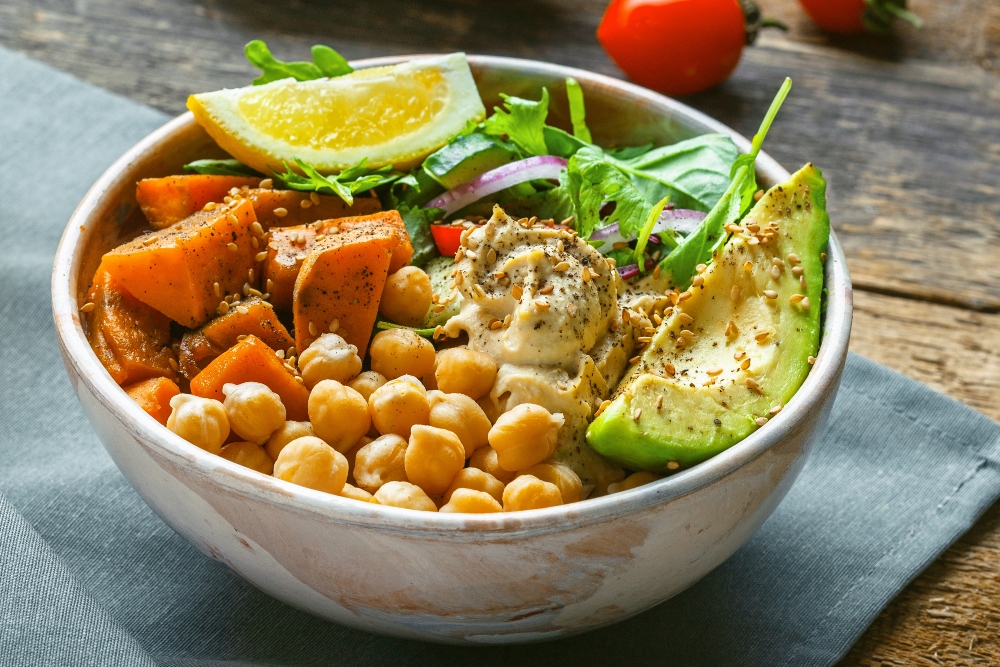
Dr. Greger points to nuts, seeds, and avocados as ideal additions. He suggests simple upgrades like adding walnuts to a salad or using a tahini-based dressing instead of a fat-free one. Foods like avocado, pumpkin seeds, walnuts, tahini, and nut or seed butters all play a role in improving absorption.
Even small amounts are enough. The narrator explains that “just a quarter of an avocado or six walnut halves” can significantly improve absorption. Even “one teaspoon of olive oil would enhance absorption.”
These are small additions, but they change how your body processes the meal.
What the research shows
The video breaks down several studies that quantify just how powerful this effect can be.
In one randomized crossover study, participants ate tomato sauce or raw carrots either with or without avocado. The results were clear.
Beta-carotene absorption from tomato sauce increased 2.5 times, while conversion to vitamin A rose 4.6 times. Beta-carotene absorption from carrots increased 6.6 times, alpha-carotene absorption increased 4.8 times, and conversion to vitamin A rose up to 12.6 times.
In another trial, adding avocado to salad led to even larger gains. Alpha-carotene levels increased 8.3 times, while beta-carotene rose 13.6 times compared to salad alone.
The most striking result came when a whole avocado was added. This pushed beta-carotene absorption up to 15 times higher.
Small tweaks, bigger nutritional impact
What stands out from these findings is how little effort is required to see results. You don’t need to overhaul your diet. You just need to pair foods more effectively.
A plain salad becomes more nutritionally useful with a handful of seeds. A bowl of sweet potatoes becomes more impactful with a few slices of avocado. Even berries benefit from a small fat source alongside them.
These tips on how to boost carotenoid absorption show that nutrition is not only about choosing the right foods, but also about combining them in a way that allows your body to use them properly.
And in some cases, that simple addition can turn an already healthy meal into something far more powerful.
You’ll find more plant-based health and nutrition content on Plant Based Science London’s YouTube channel.
Read more: This Plant-Based Powder Could Fill the Gaps in Even the Healthiest Diet