Community
 Print
Print



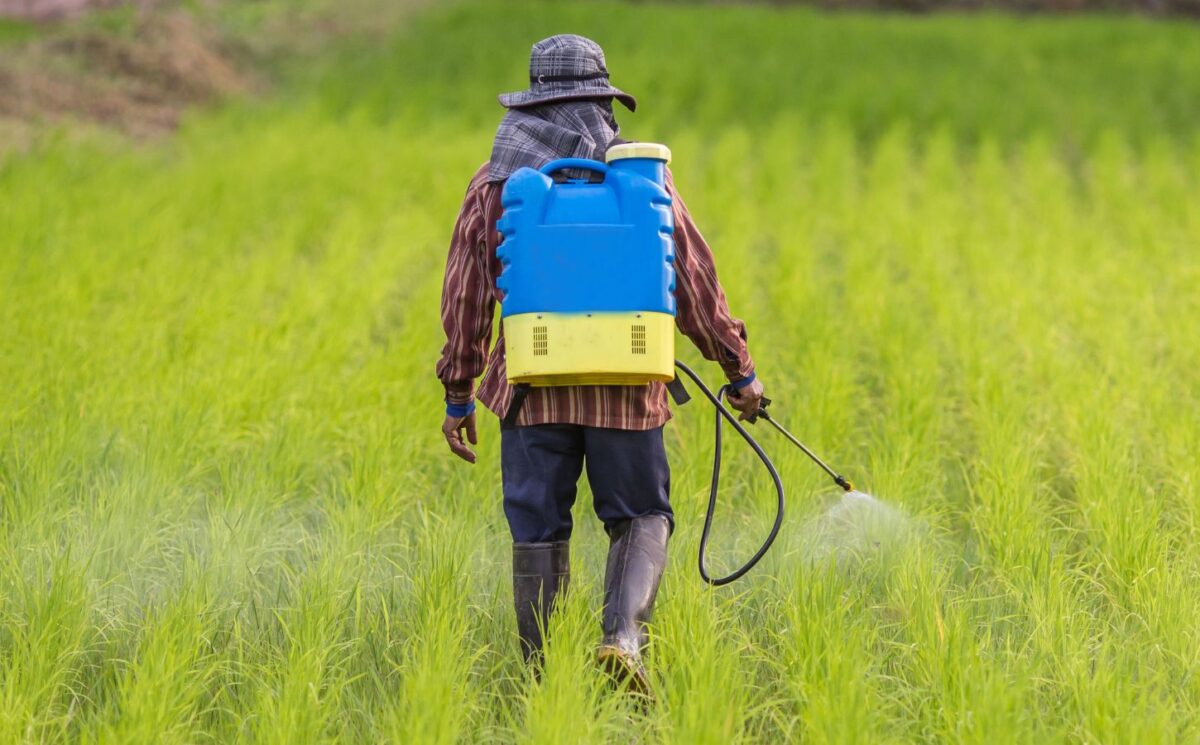
A study has found that pesticides poison nearly half of farmers worldwide every year.
Approximately 402 to 433 million cases of unintentional acute pesticide poisoning (UAPP) occur each year, and roughly 46 percent of the world’s 934 million farmers is being poisoned annually.
Read more: Three Companies Have ‘Almost Complete Market Domination’ Of UK Poultry Supply
Pesticide Action Network, an international coalition of more than 600 NGOs, commissioned the study, which was published by Frontiers in Public Health.
The researchers behind the study analyzed publicly available data from 2006 to 2023 and found that roughly 11,000 deaths take place each year due to pesticide poisoning, and that nearly 60 percent of these occur in India. In Burkina Faso, West Africa, nearly 84 percent of farmers and farm workers experience UAPP.
Dr Sheila Willis, head of international programmes at Pesticide Action UK, said, “Meticulous new research has revealed that nearly 50 percent of the world’s farmers and farm workers suffer from acute pesticide poisoning each year.
“Systemic failures in data collection have masked this global public health crisis. Underreporting remains widespread, driven by limited access to healthcare and a lack of clinical training or systems to recognise or record pesticide poisoning. Now that the scale of suffering has been revealed, farmers must be supported to access safer alternatives to protect their health and that of their families.”
Read more: Pig Farm Transformed Into ‘Thriving’ Specialty Mushroom Operation
‘It is not acceptable that we simply export our harms to countries that have weaker pesticide standards’
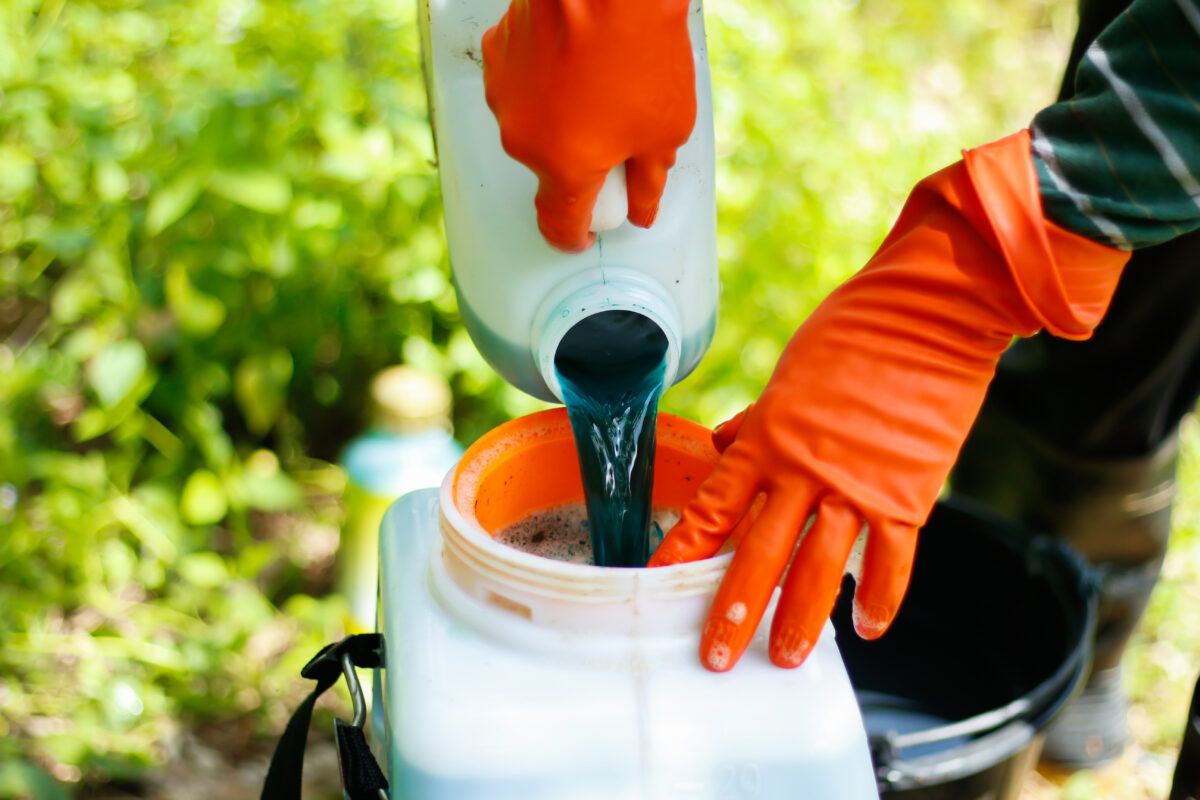
In the wake of the report, Pesticide Action Network called for governments to make good on existing commitments to phase out Highly Hazardous Pesticides from agriculture by 2035 and to support farmers transitioning to safer practices.
Pesticide Action Network called on the UK government, in particular, to support an increase in organic agriculture; to better monitor farmers’ health; to stop manufacturing, exporting, and profiting from pesticides that have been banned domestically; to end the importation of produce grown with banned pesticides; and to encourage retailers to phase out the use of Highly Hazardous Pesticides in their global supply chains. Pesticide Action UK said, “It is not acceptable that we simply export our harms to countries that have weaker pesticide standards.”
PBN runs a sponsored content model. To explore how you can get featured, please email [email protected] or visit everkinddigital.com