Community
 Print
Print




New research has found a widening “credibility gap” between the regenerative farming claims made by the world’s biggest food companies and reality.
FAIRR, formerly known as the Farm Animal Investment Risk and Return Initiative, is behind the research, which found that while many major companies remain outwardly enthusiastic about regenerative agriculture, few are living up to “the hype.”
Read more: People Eat Six Times More Chicken Than In 1961, According To The UN
FAIRR is a collaborative investor network that raises awareness of the “risks and opportunities” in intensive livestock production. It published the new research, titled “World’s Biggest Food Companies Are Putting Regenerative Agriculture Into Action – But What Is Being Deployed Fails to Meet the Hype,” at the end of June.
FAIRR assessed 78 publicly listed agri-food companies with a combined annual revenue of US $3.3 trillion and a market capitalization of $5.7 trillion.
According to FAIRR, 52 percent of companies identify reducing agrochemical inputs as a goal, but many of the most widely used regenerative agricultural practices still rely on herbicides, and no company has set a pesticide reduction target of any kind.
Meanwhile, while 54 percent of companies claim that they measure regenerative agriculture outcomes, just four percent have explicitly set outcome-based targets. As noted by FAIRR, greenhouse gas emissions (GHGs) are the easiest outcome to measure and report, but just 24 percent of companies choose to report progress.
‘We are still struggling to assess the credibility of initiatives’
As reported by The Grocer, some businesses have also dropped or revised pre-existing targets and commitments. These include JBS, the largest meat processing enterprise in the world, and Compass, the largest foodservice company in Europe.
Others, including KFC, Pizza Hut, and Taco Bell’s Yum Brands, no longer mention regenerative farming at all. Overall, quantified regenerative agriculture targets have fallen from 35 percent of assessed companies in 2023 to just 28 percent in 2026.
Arthur van Mansvelt, an engagement specialist at Achmea Investment Management, one of the companies that backs FAIRR, said, “Many agrifood businesses present regenerative agriculture as a silver bullet to meet climate and nature goals. But, as investors, we are still struggling to assess the credibility of initiatives.”
He added, “We need to have clarity on how companies use regenerative agriculture to contribute to achieving global nature goals. And farmers need fair compensation for the extra efforts and risks, particularly in the context of geopolitical instability and price volatility.”
Read more: The June Heatwave Killed Up To 3 Million Broiler Chickens In France Alone
Divesting from animal products and the climate crisis
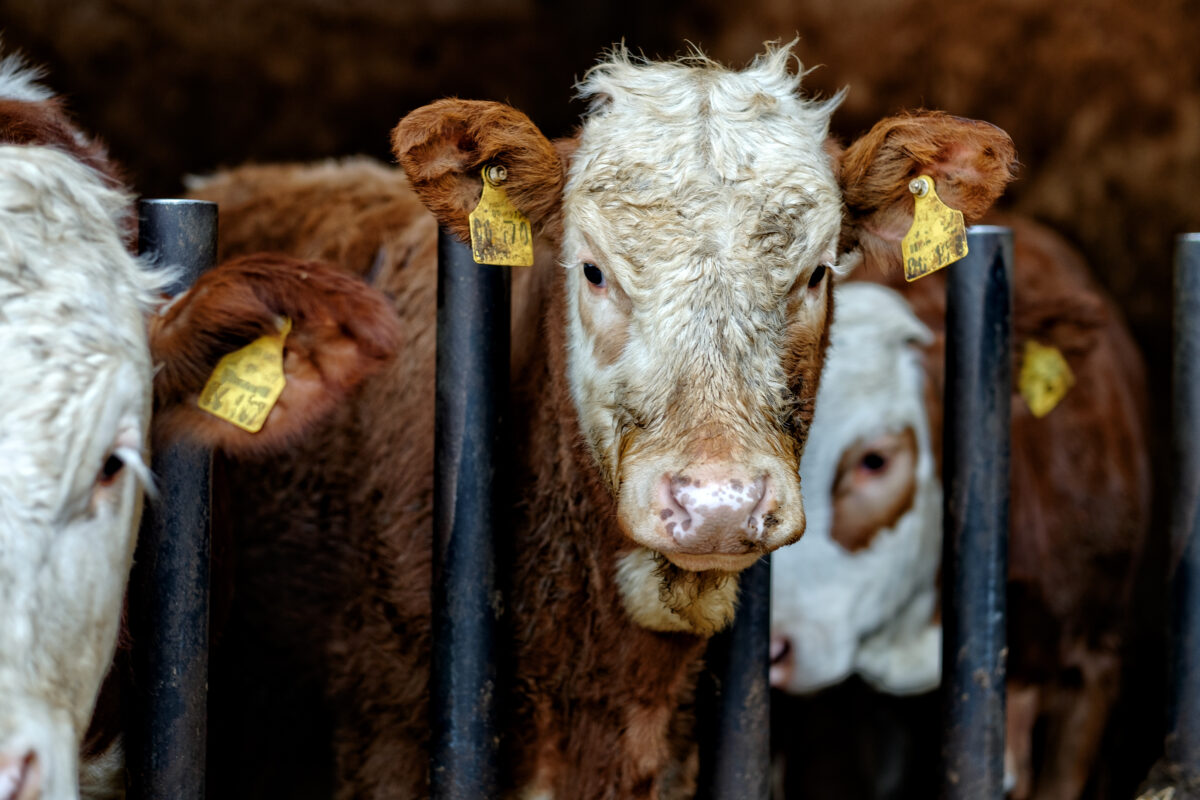
Last year, a separate report from FAIRR called for all major food companies to divest from animal products to safeguard supply chains and bolster the food system amid global instability and the climate crisis. Also in 2025, a paper argued that animal agriculture was responsible for 53 percent of global average temperature rise.
Last month, Europe’s second record-breaking heatwave of 2026 killed up to three million broiler chickens in France alone. At the time of writing, wildfires are still raging across the UK and Europe in the midst of the third major heatwave of 2026.
PBN runs a sponsored content model. To explore how you can get featured, please email [email protected] or visit everkinddigital.com