Community
 Print
Print




A new study has analyzed what the children of centenarians eat.
According to the study, the children of people who live to 100 have healthier-than-average diets compared to other older adults, but still fall short in some areas.
Read more: Over 80% Of Toddler Food In Texas Grocery Stores Is Ultra-Processed, Finds Audit
A team of researchers from the Jean Mayer USDA Human Nutrition Research Center on Aging at Tufts University, Boston, Massachusetts, analyzed data from 457 participants in the New England Centenarian Study (NECS) relating to familial diets.
The team found that the families of centenarians “excel” when it comes to the consumption of fruits, vegetables, plant proteins, and long-chain omega-3 fats. They also tend to consume less added sodium and added sugars than average.
However, those families also demonstrated “persistent shortfalls” when it came to whole grains, legumes, nuts, and soy, which the researchers noted “may represent missed opportunities to optimize muscle, cardiometabolic, and cognitive health.”
Sociodemographic and environmental factors trump ‘familial longevity status’
The researchers also found that, even within “longevity-enriched families,” dietary gaps tended to mirror national trends, and that age and sex also affected these patterns. For example, older participants consumed more red and processed meat, added sugars, and sodium, while women reported a higher intake of vegetables.
Education emerged as the most consistent determinant of people’s diet quality, and surpassed “familial longevity status.” In the study, the team of researchers wrote, “These results reinforce that sociodemographic and environmental factors often outweigh familial predispositions in shaping nutritional behavior.”
Read more: Planetary Health Diet Cuts Heart Disease Risk By 28%, Finds 20-Year Study
Kids aren’t eating enough nutrient-dense foods, either
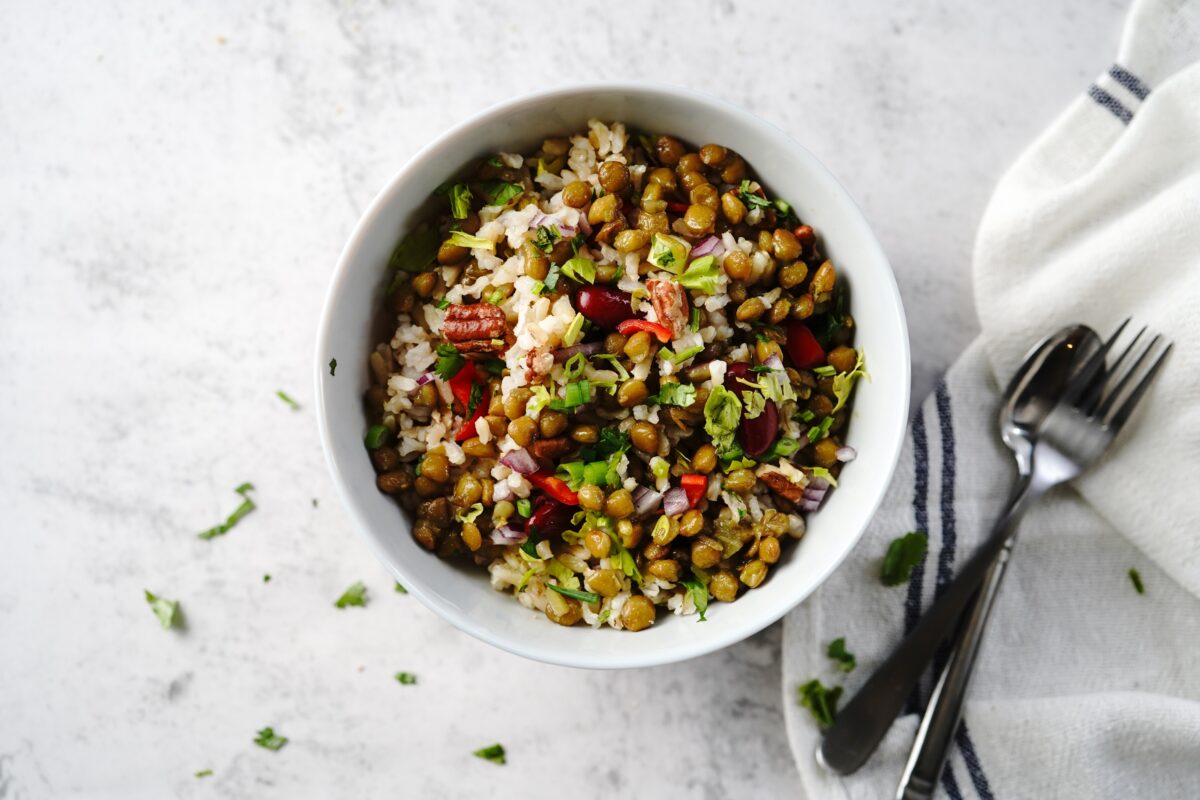
Last month, a separate study found that kids and young people around the world are not eating enough nutritious, sustainable, plant-based foods. The authors also found that intake of “healthful” plant-based foods varies “substantially by location and demographic,” but that young people globally consume too few healthy plant foods.
Another recent study found that adherence to the EAT-Lancet Commission’s mostly plant-based Planetary Health Diet may reduce heart disease risk by up to 28 percent.
The authors of the new study highlighted several potential intervention points for improving diet quality based on their findings, such as accessible education, gender specific strategies, and policies that increase the affordability and availability of grains, legumes, and other nutrient-dense foods that support longevity and health.
The Journal of Nutrition, Health and Ageing published the study in May.
PBN runs a sponsored content model. To explore how you can get featured, please email [email protected] or visit everkinddigital.com