Community
 Print


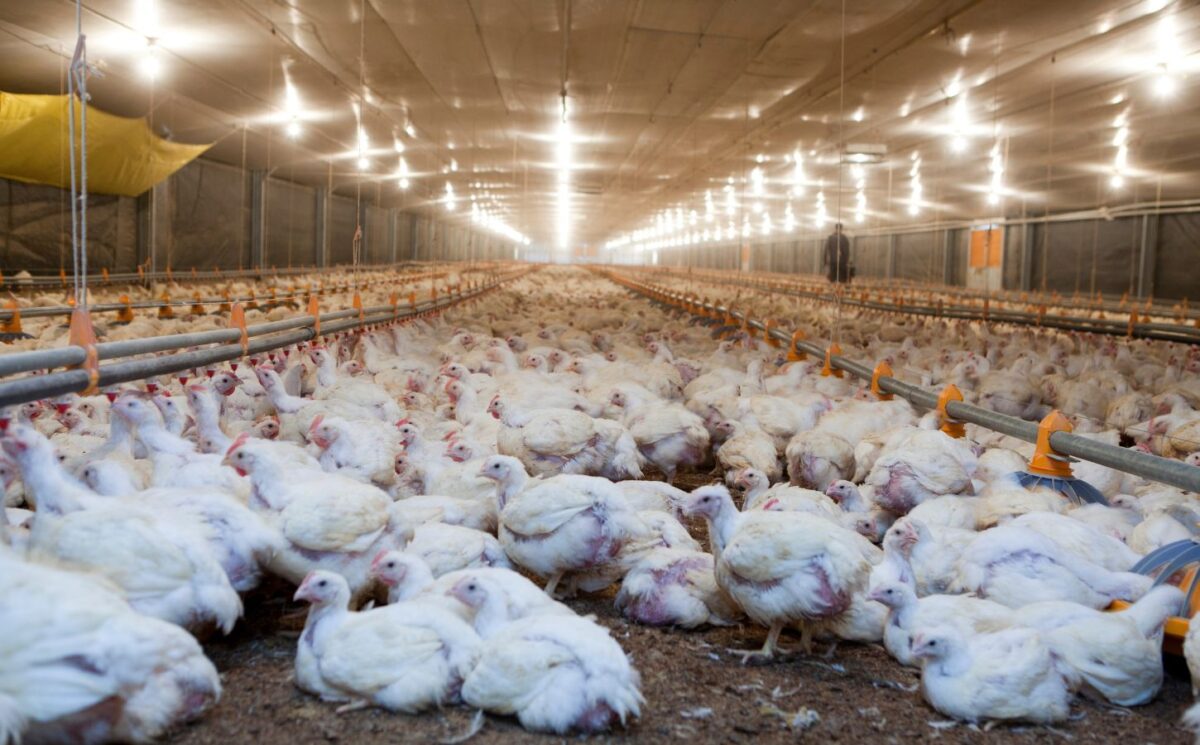
The Danish government is calling for an EU-wide ban on “turbo chickens.”
Ross 308s, or turbo chickens, are the most widely used breed in Danish chicken farming. Similar to “frankenchickens” in the UK, turbo chickens grow quickly, often become unwell as a result, and either die prematurely or are promptly killed.
Read more: Fur-Free Europe: Denmark To Join EU-Wide Ban On Mink Farming
In October, a TV2 documentary alleged that Christian Tvergaard, one of Denmark’s biggest chicken producers, breaks the law to make his chickens grow faster.
According to TV2, investigators captured undercover footage at a North Jutland chicken farm owned and operated by Tvergaard that showed animals “with such serious problems walking and standing” that experts said they should be euthanized.
TV2 also reported that the chickens get just three of the six legally mandated hours of daylight per day. In the footage, Tvergaard explains that he controls the lights to encourage chickens to eat more grow faster. “That’s what it’s all about,” he said.
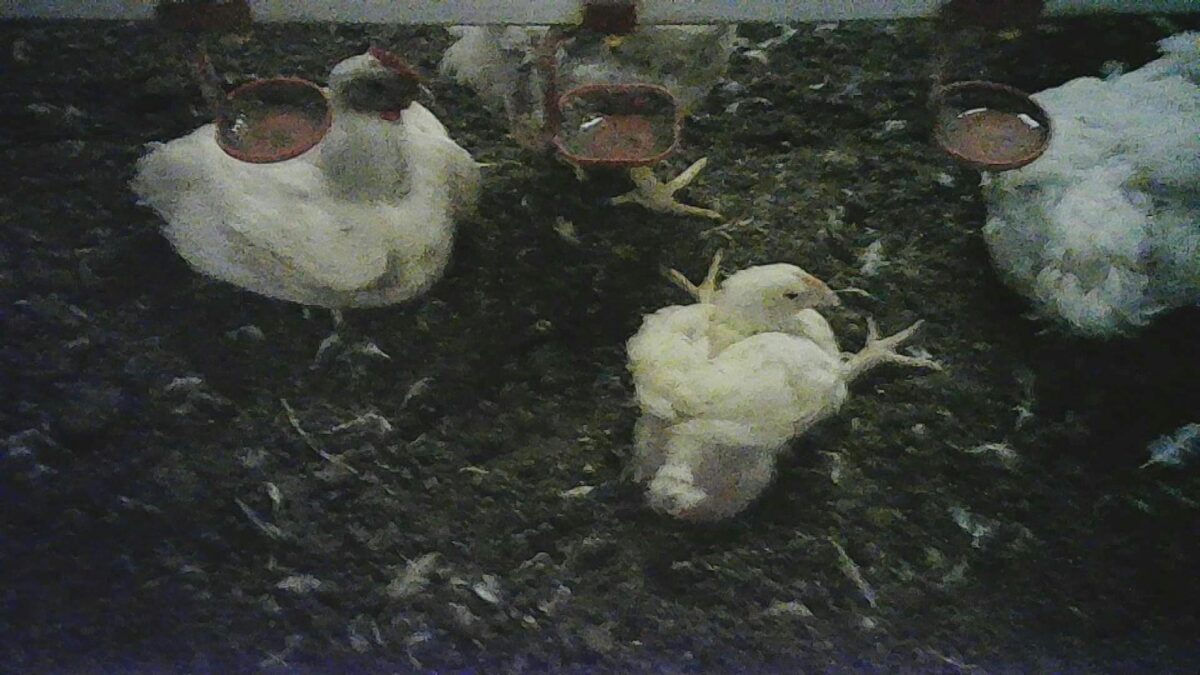
Speaking to TV2, Christian Rabjerg Madsen, the Minister for Nature and Animal Welfare, said, “I’m angry about these pictures, and we can see that there are general challenges with the welfare of turbo chickens, because they simply grow too fast for their body to keep up.”
Madsen discouraged people from purchasing turbo chickens, and added, “I want to work for a national ban. But it’s clear that this is something that needs to be investigated both legally and economically.”
He said, “Now we will work for a national ban, we will work for a ban at EU level.”
Read more: Eleven Madison Park Is Serving Foie Gras Again, But Maybe Not For Long
A business should ‘make sense for society, for the economy, and for the animals’
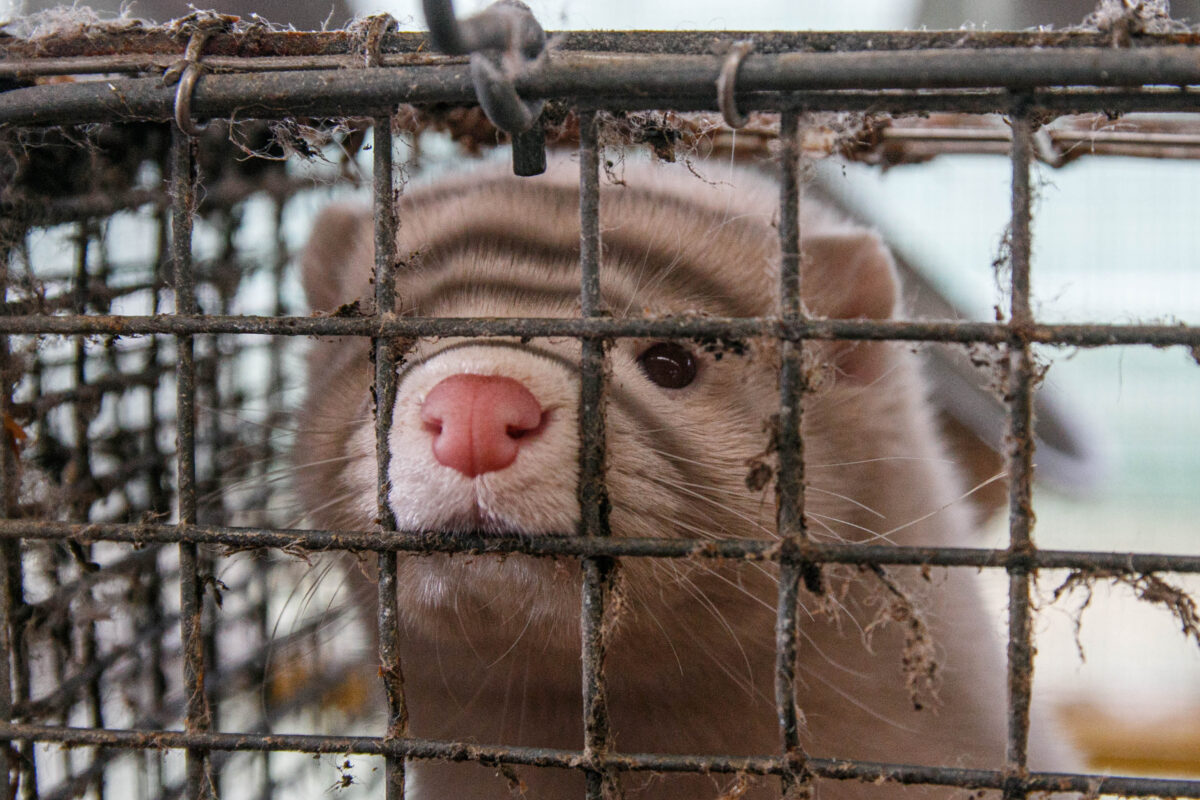
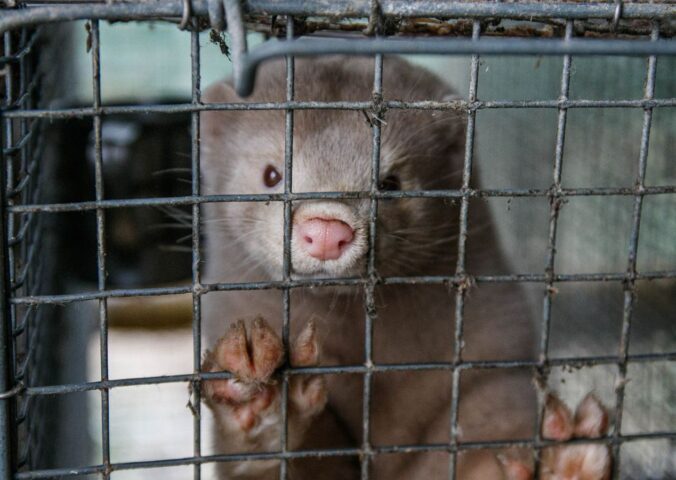
In another step forward for animal welfare, the Danish government recently chose not to seek an exemption to the EU’s proposed ban on mink farming. To comply, Denmark will have to close its seven remaining mink farms by August, 2029.
Madsen said that the government had chosen animal welfare by adhering to the ban. He added, “A business should not continue just because it has existed for a long time. It should also make sense for society, for the economy, and for the animals.”
PBN runs a sponsored content model. To explore how you can get featured, please email [email protected] or visit everkinddigital.com